chinatown_1
|
chinatown_2
|
chinatown_3
|

DSC_2271
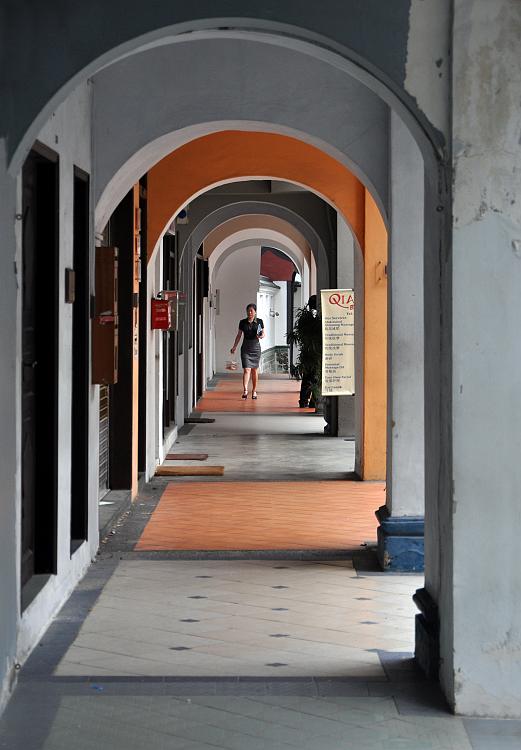
Raffle's five foot walkway as laid out in the 1822 plan for the city.
|
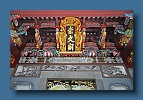
DSC_2272a
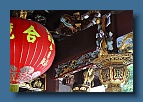
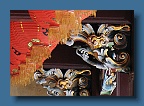
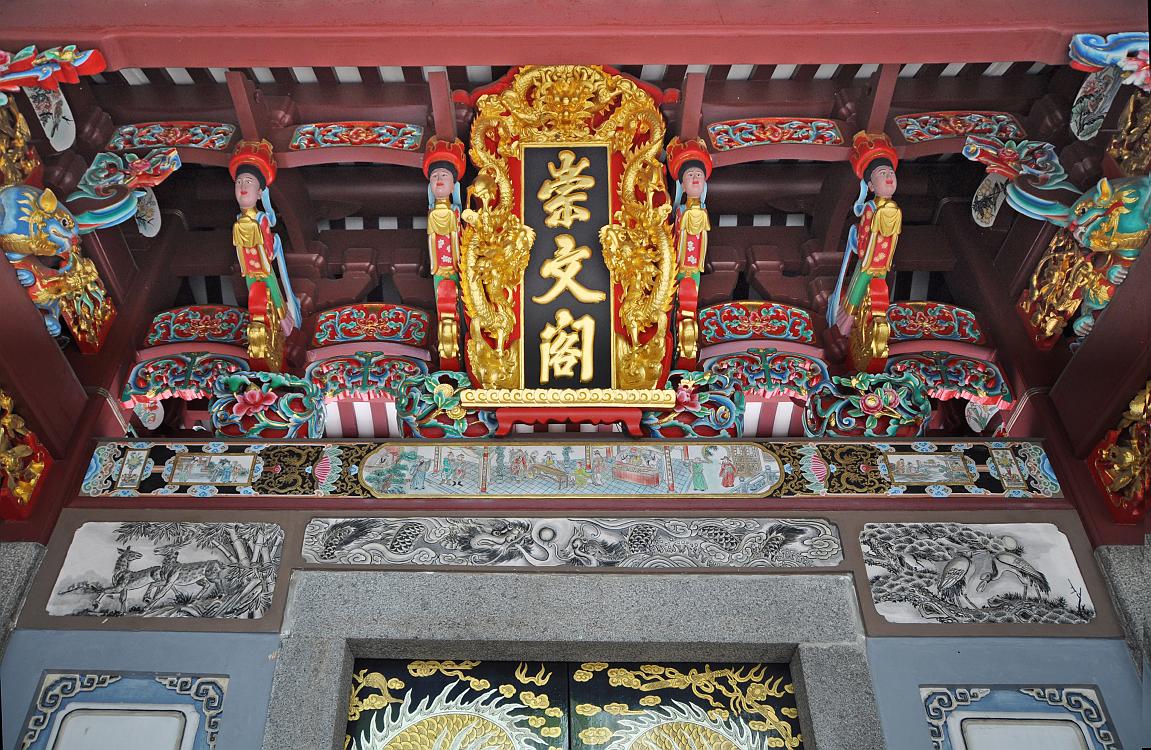
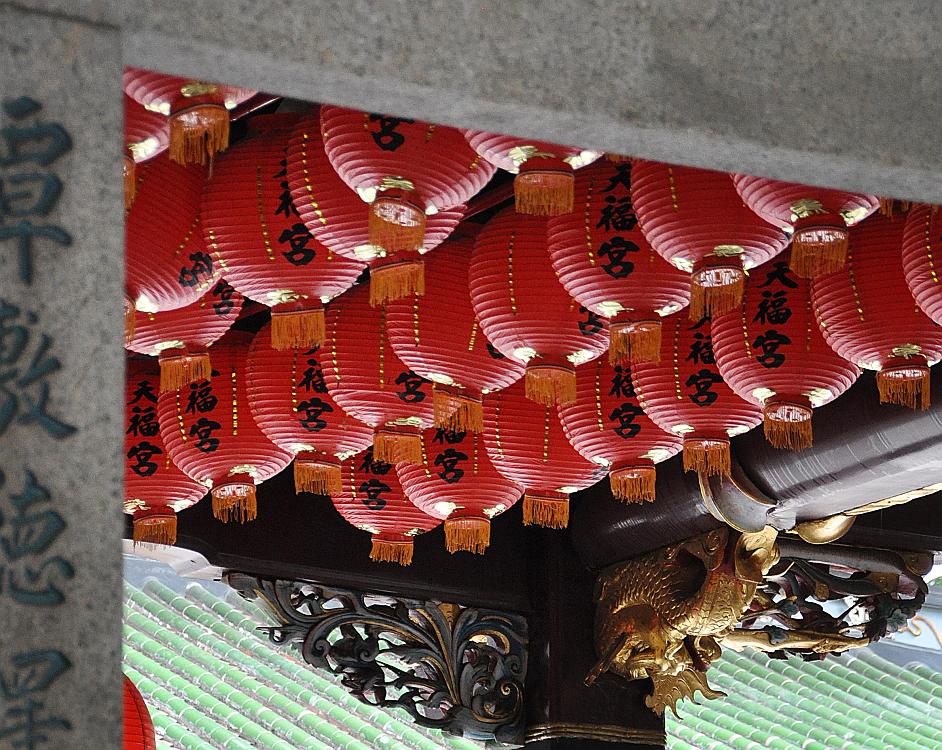
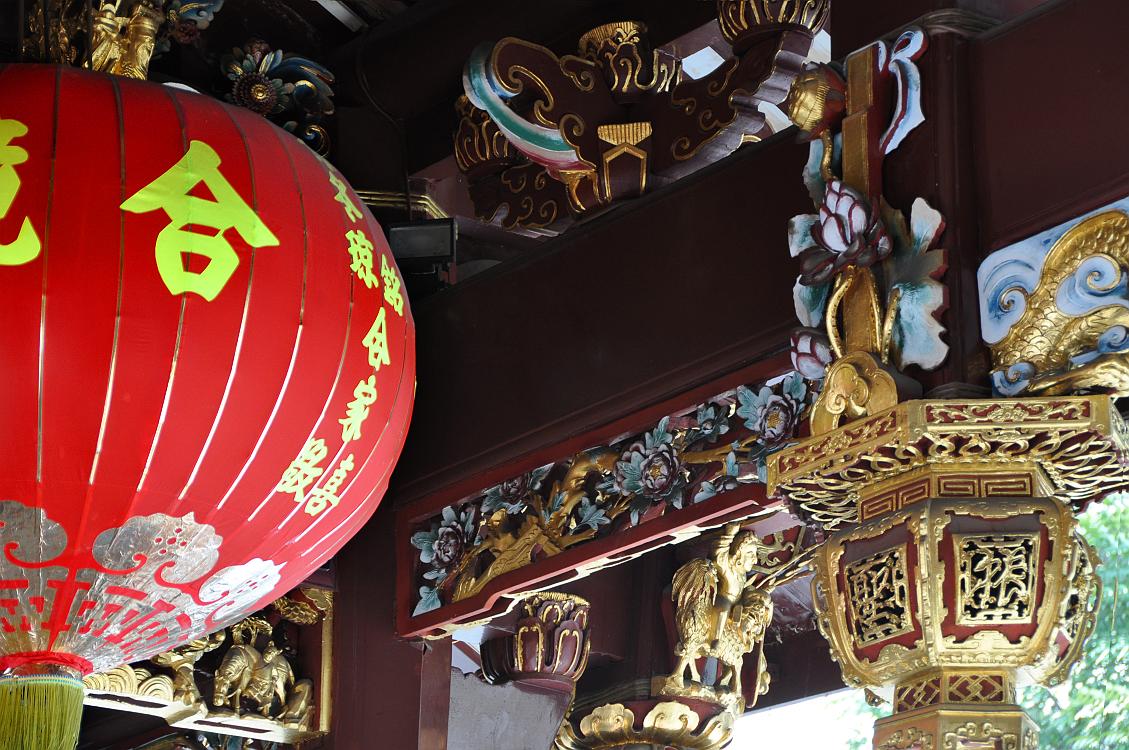
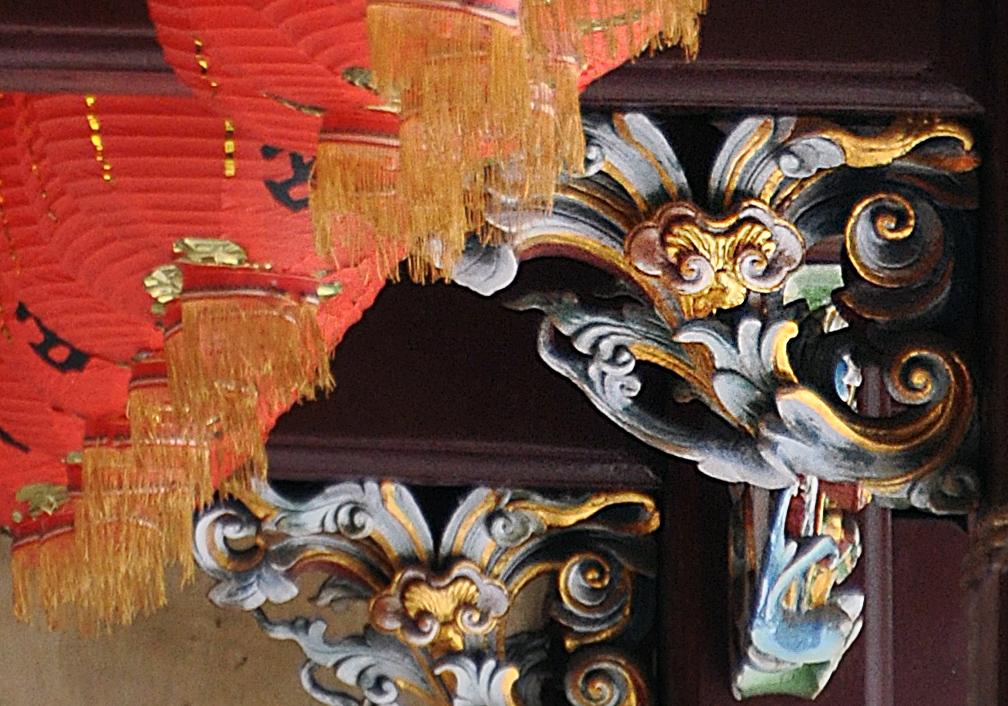
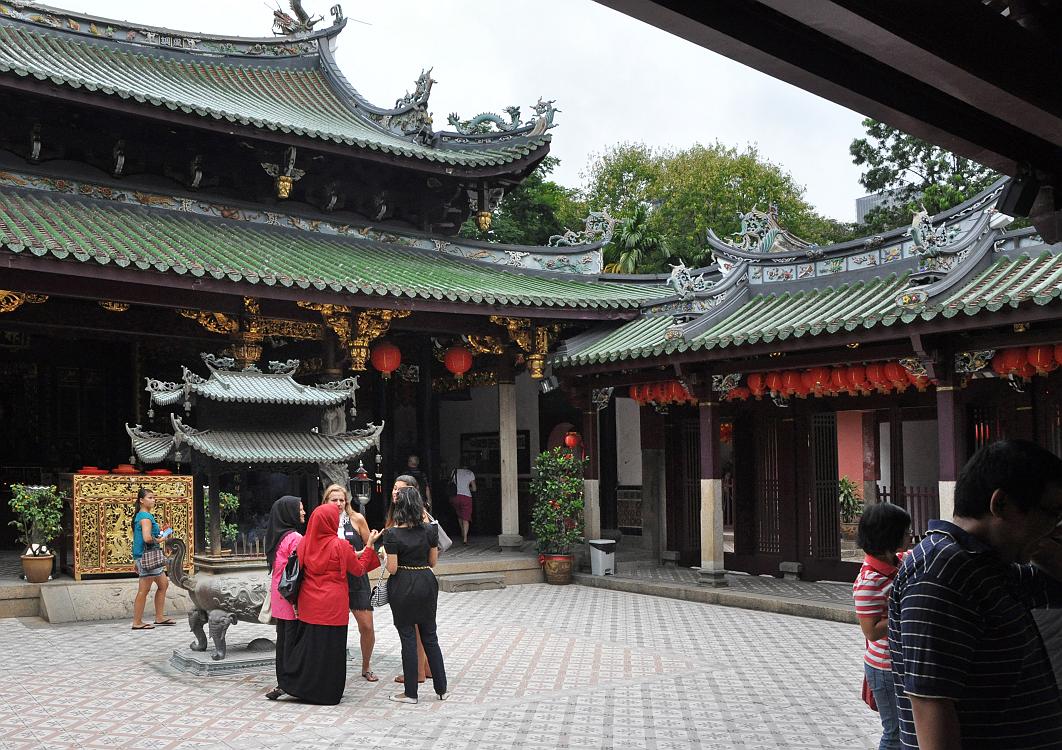
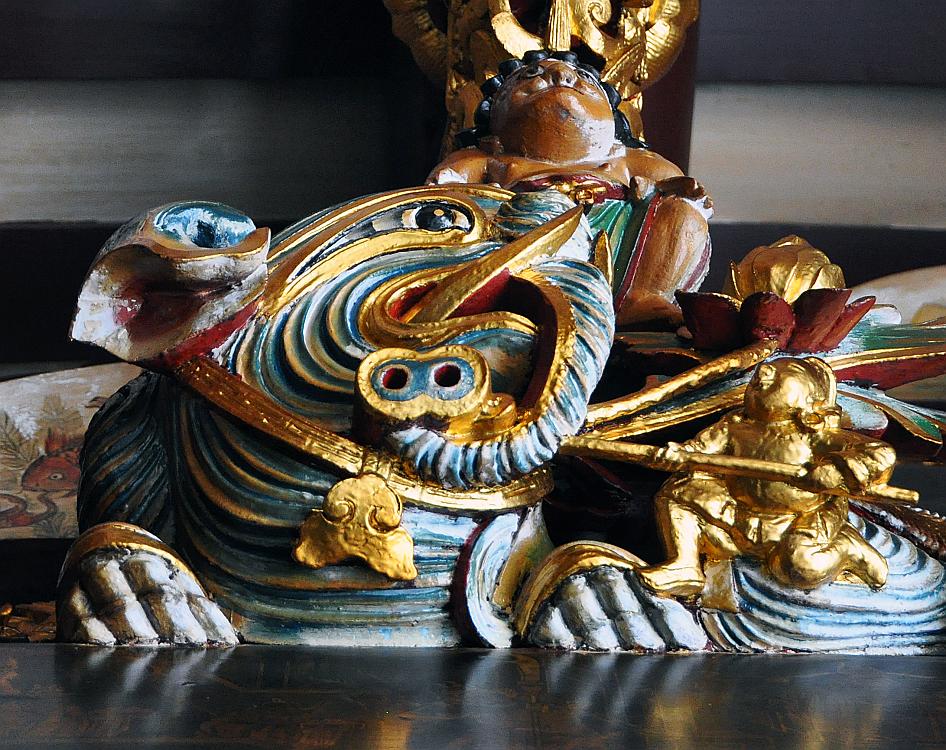
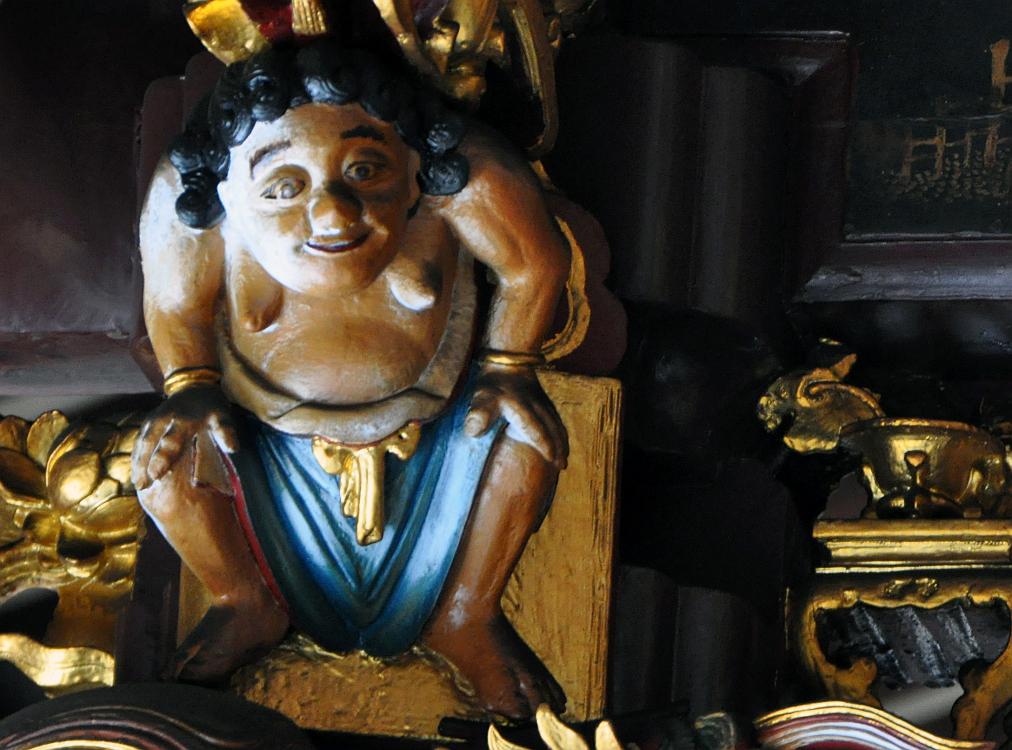
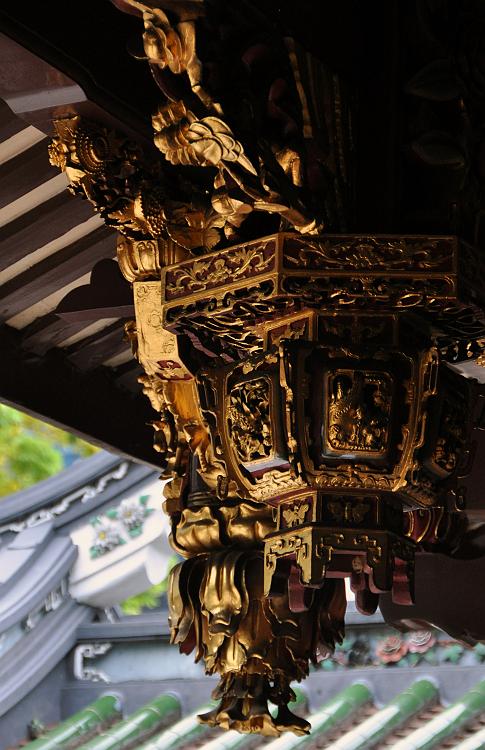
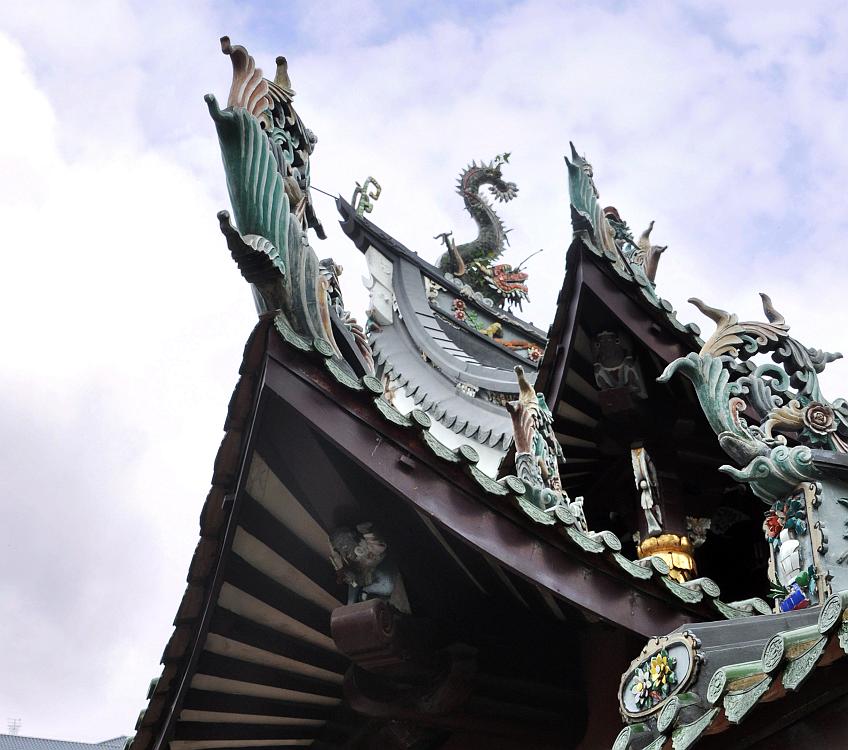
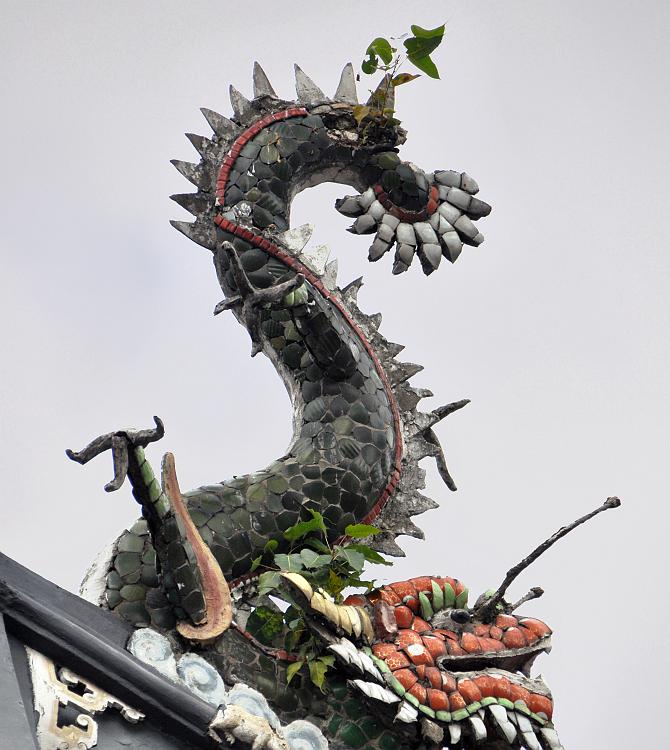
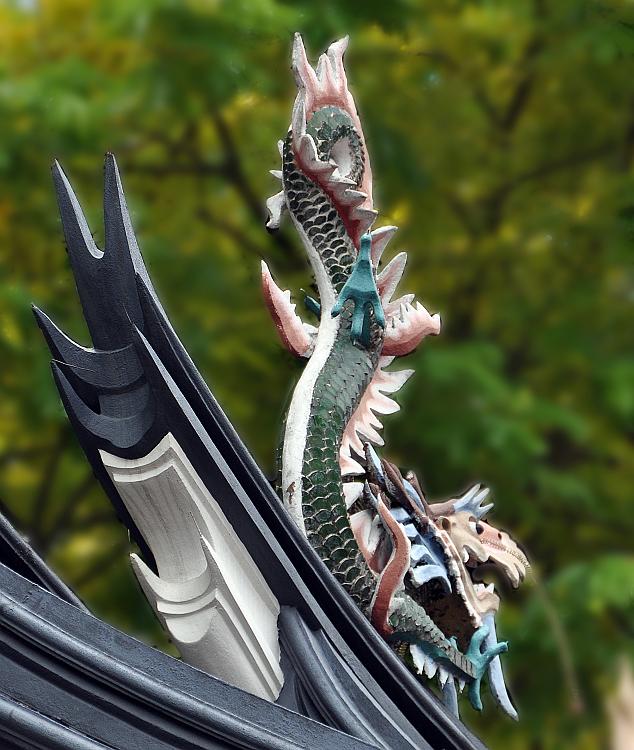
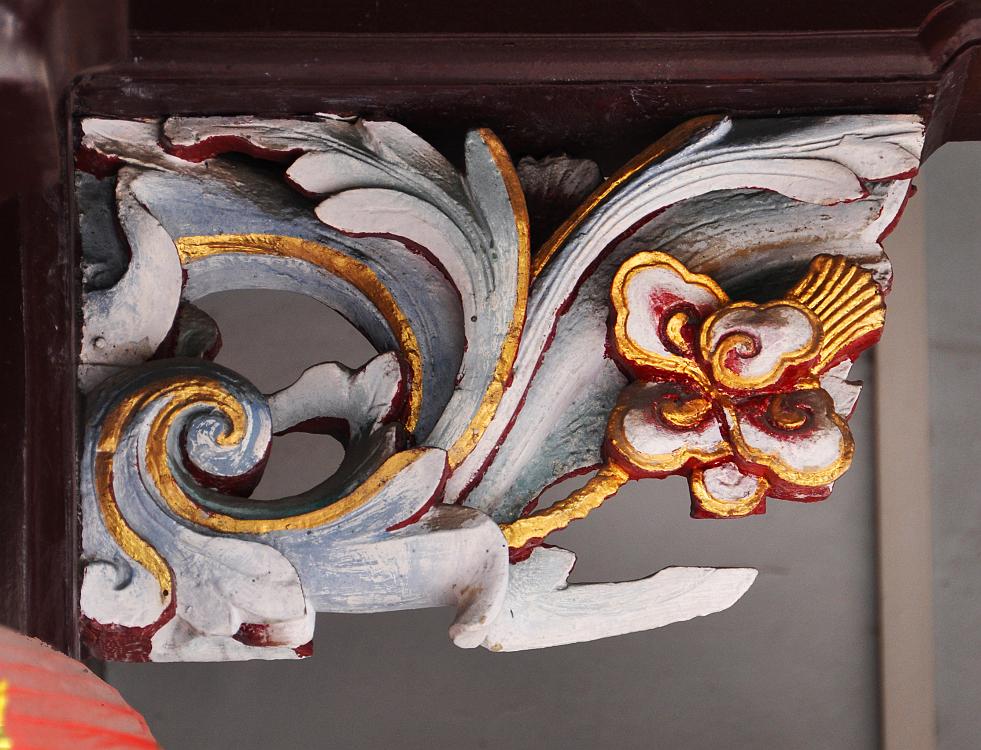
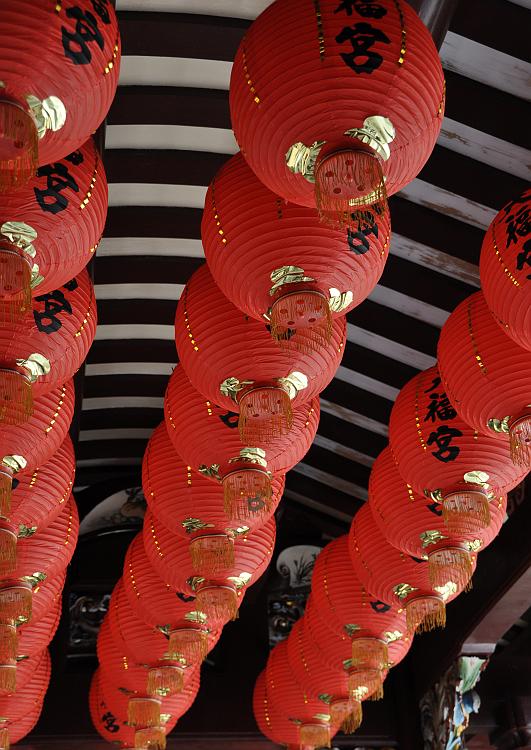
Thian Hock Keng Temple
|
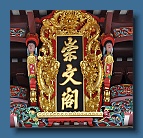
DSC_2272b
|
DSC_2273
|
DSC_2277
|
DSC_2338
|
DSC_2283a
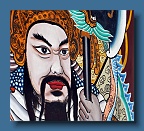
Guard at the gate
|
DSC_2288a
|
DSC_2289
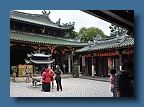
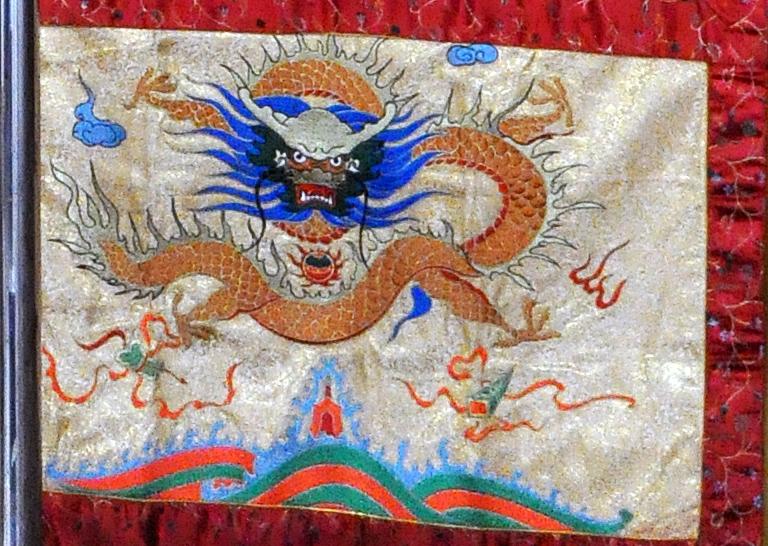
Inside the Temple
|
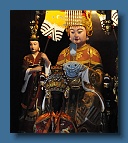
DSC_2291a
Goddess of the Seas - Ma Zu
|
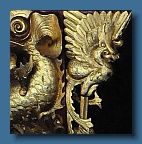
DSC_2291b
|
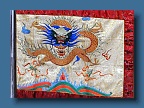
DSC_2291c
|
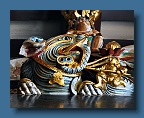
DSC_2297a
|
DSC_2303
|
DSC_2305
|
DSC_2310
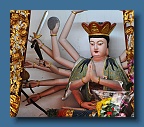
Goddess of Mercy - Guan Shi Yin Sa
|
DSC_2314
|
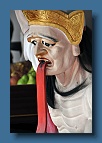
DSC_2316
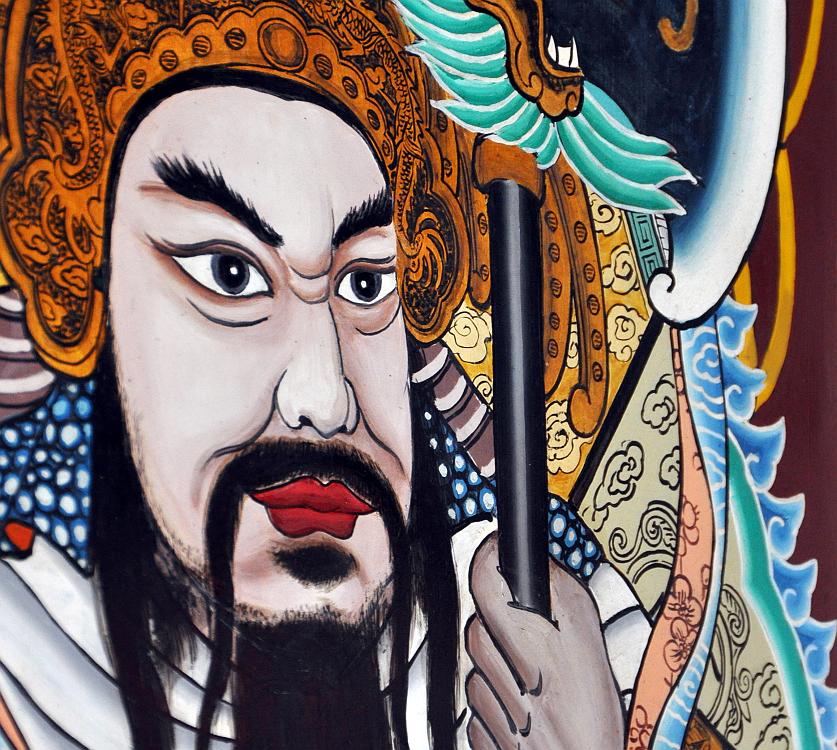
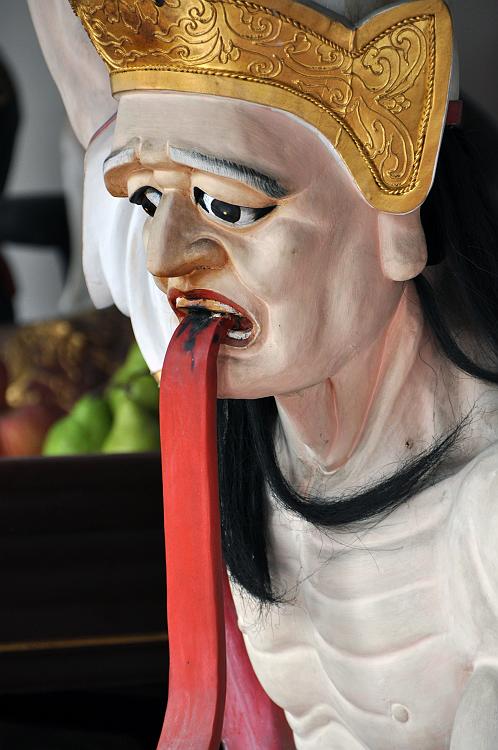
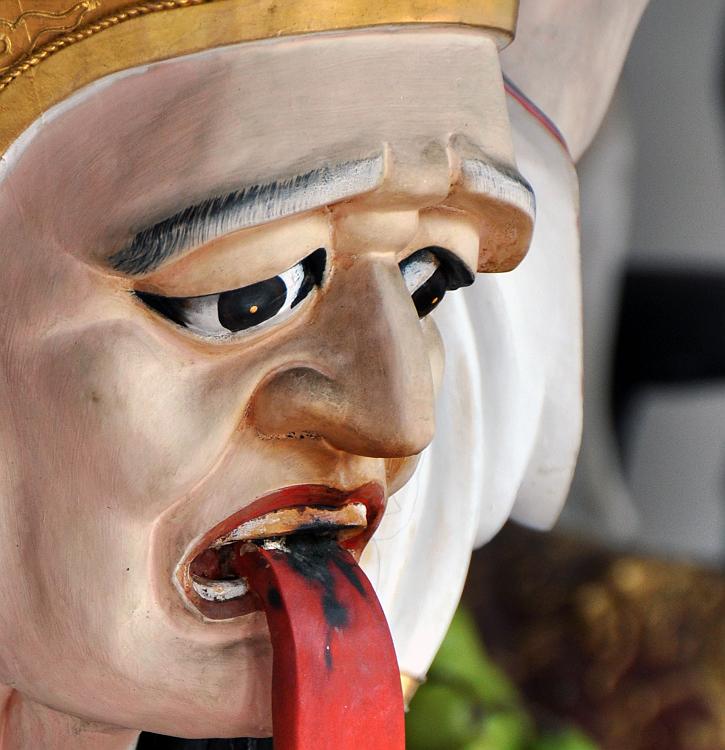
General Xie - Bai Wu Chang
|
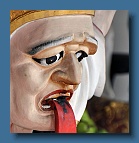
DSC_2316a
|
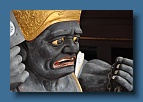
DSC_2319
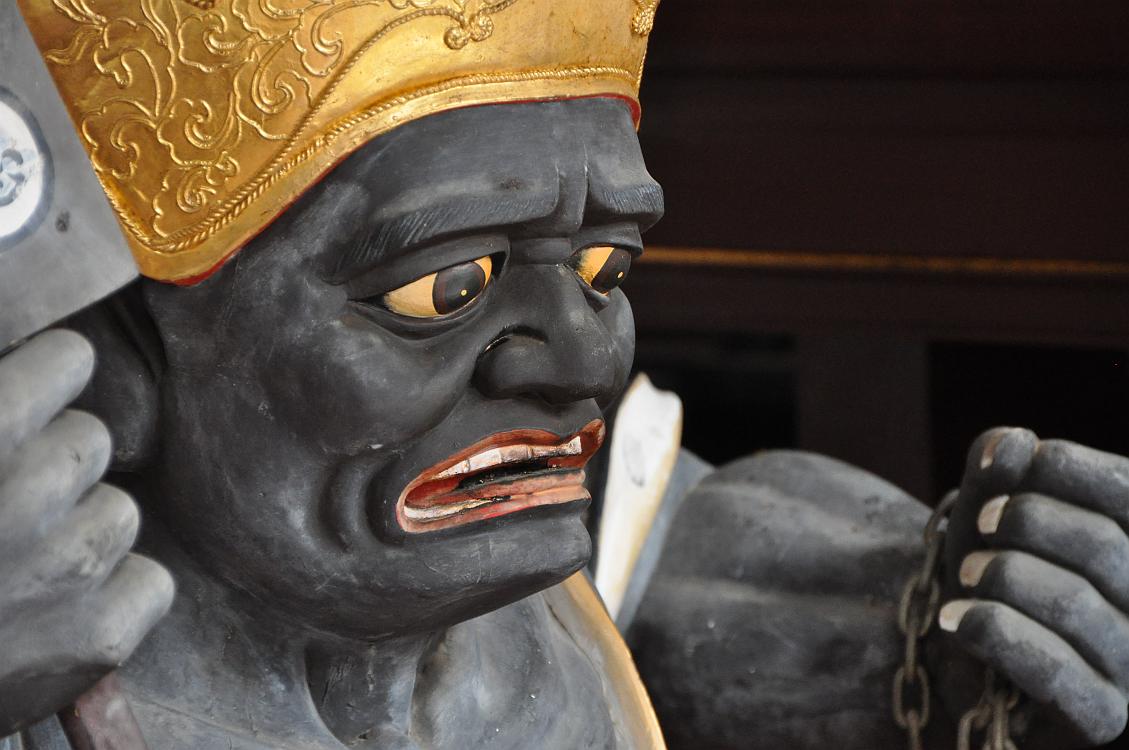
General Fan- Hei Wu Chang
|
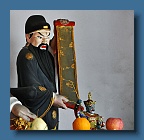
DSC_2322a
|
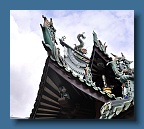
DSC_2323a
|
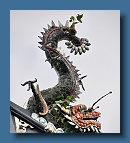
DSC_2326a
|
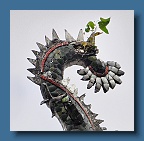
DSC_2326b
|
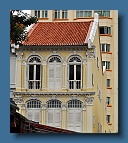
DSC_2327
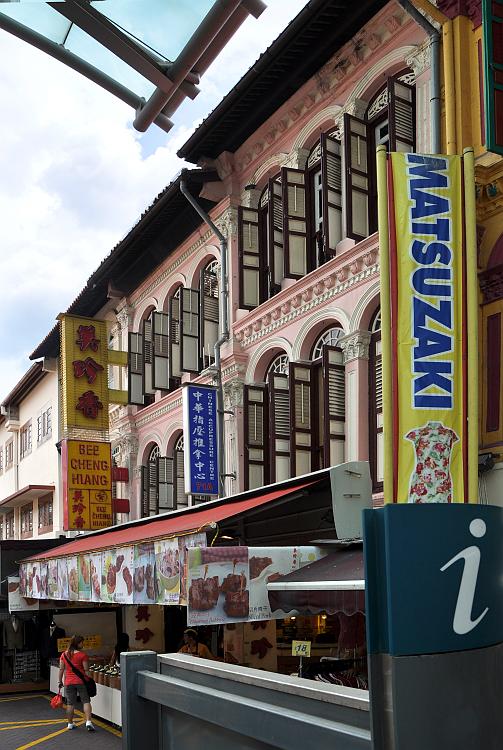
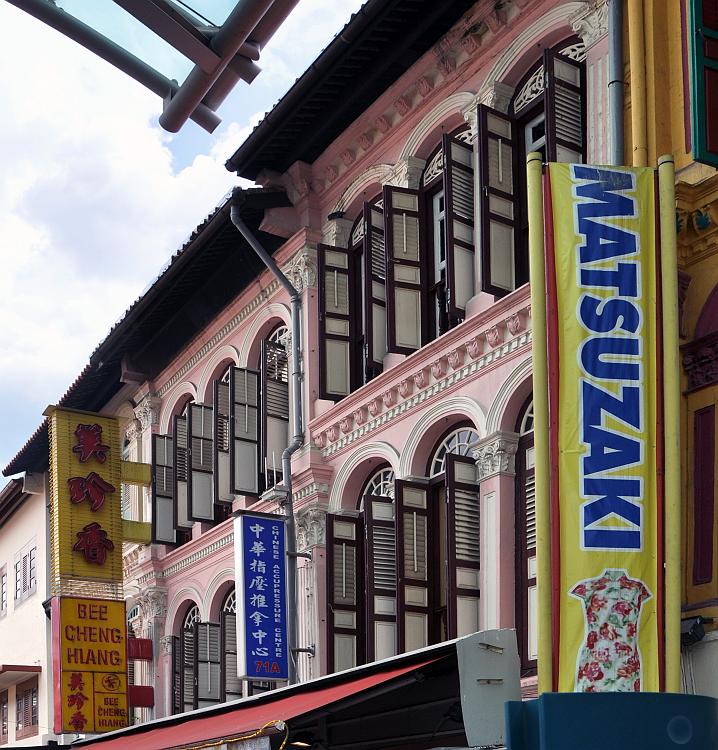
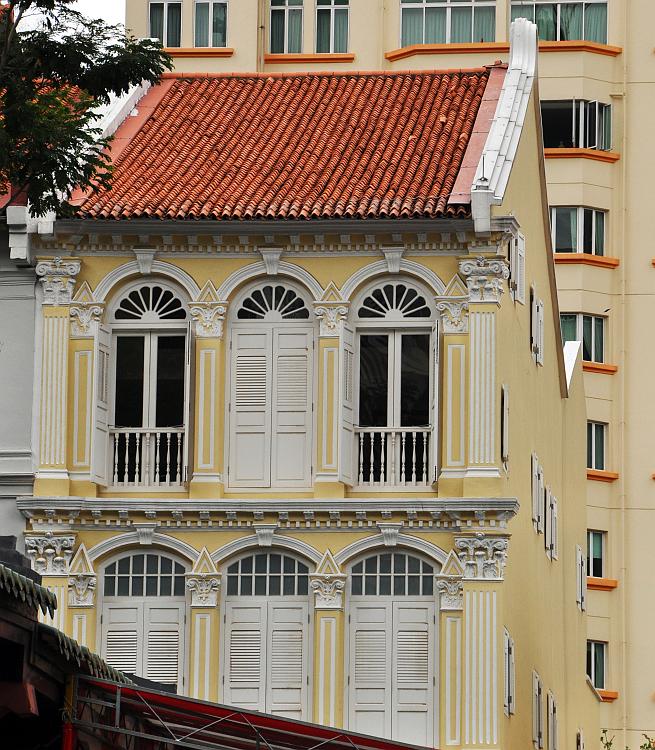
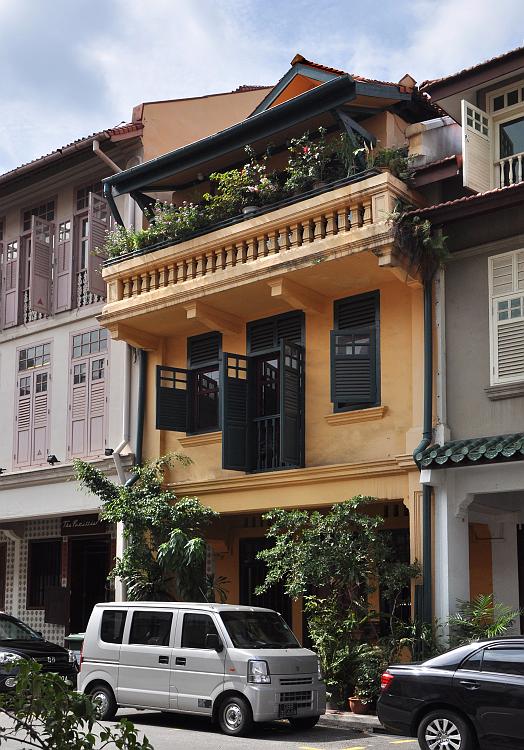
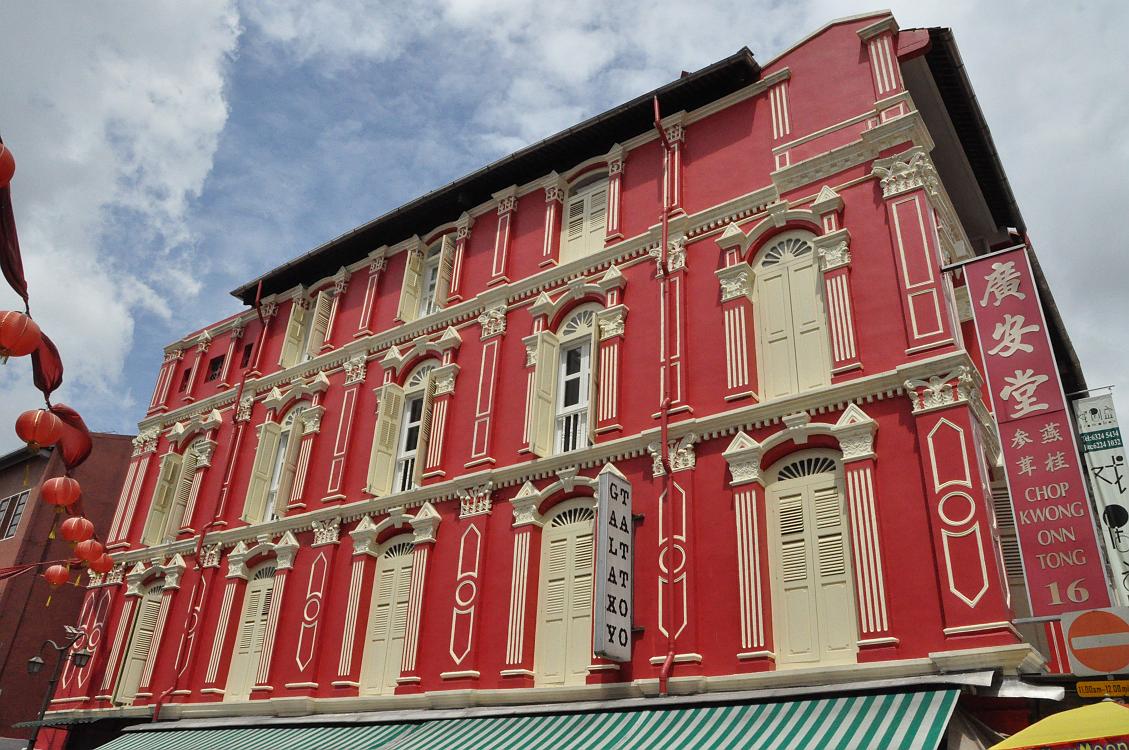
An elegant, restored shophouse.
|
DSC_2330a
|
DSC_2331a
|
DSC_2334a
|
DSC_2335
|
DSC_2340
|
DSC_2350a
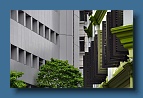
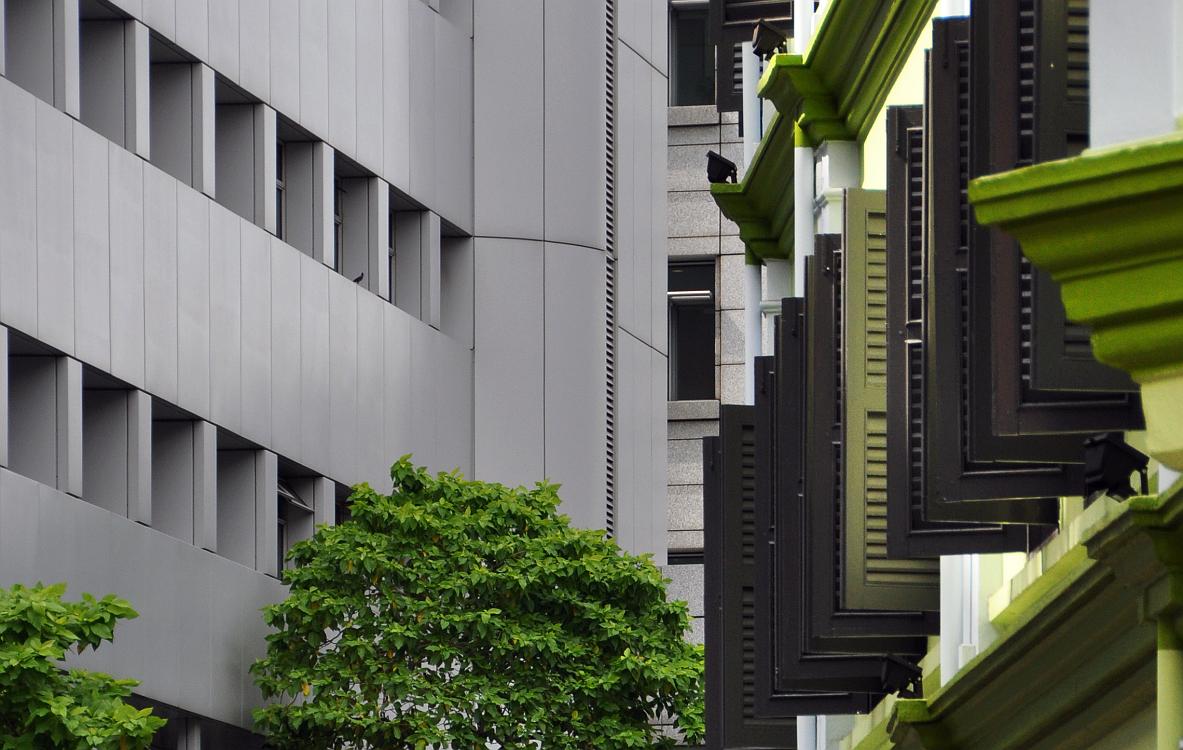
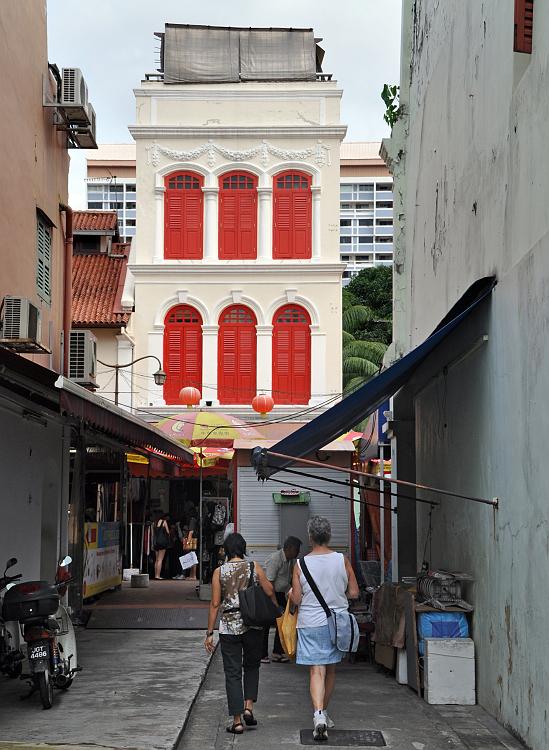
The old and the new. Shophouse shutters open on a modern building.
|
DSC_2351
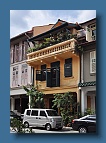
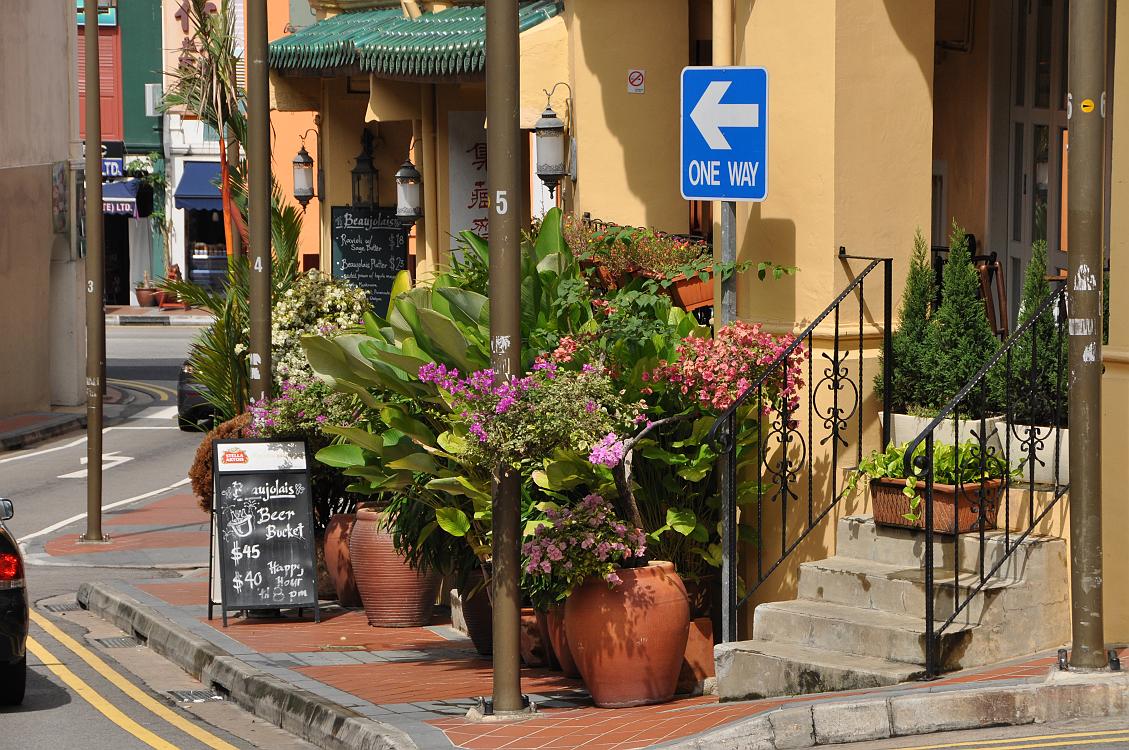
Shophouses sell in the $1,000,000 plus range.
|
DSC_2352
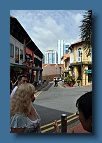
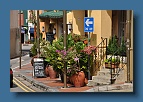
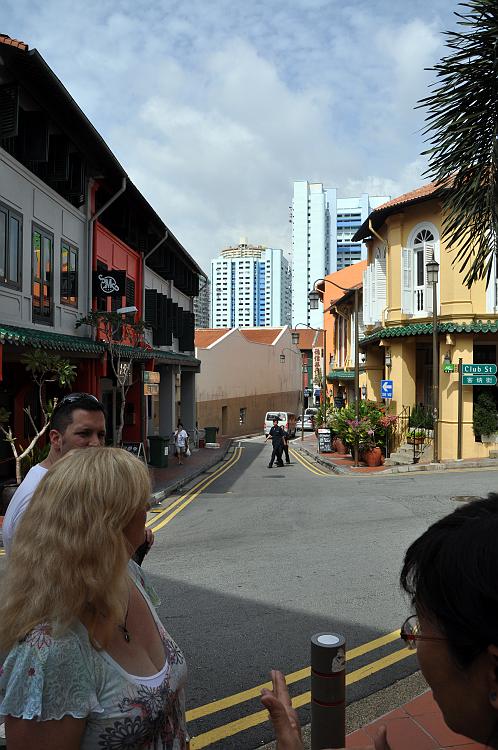
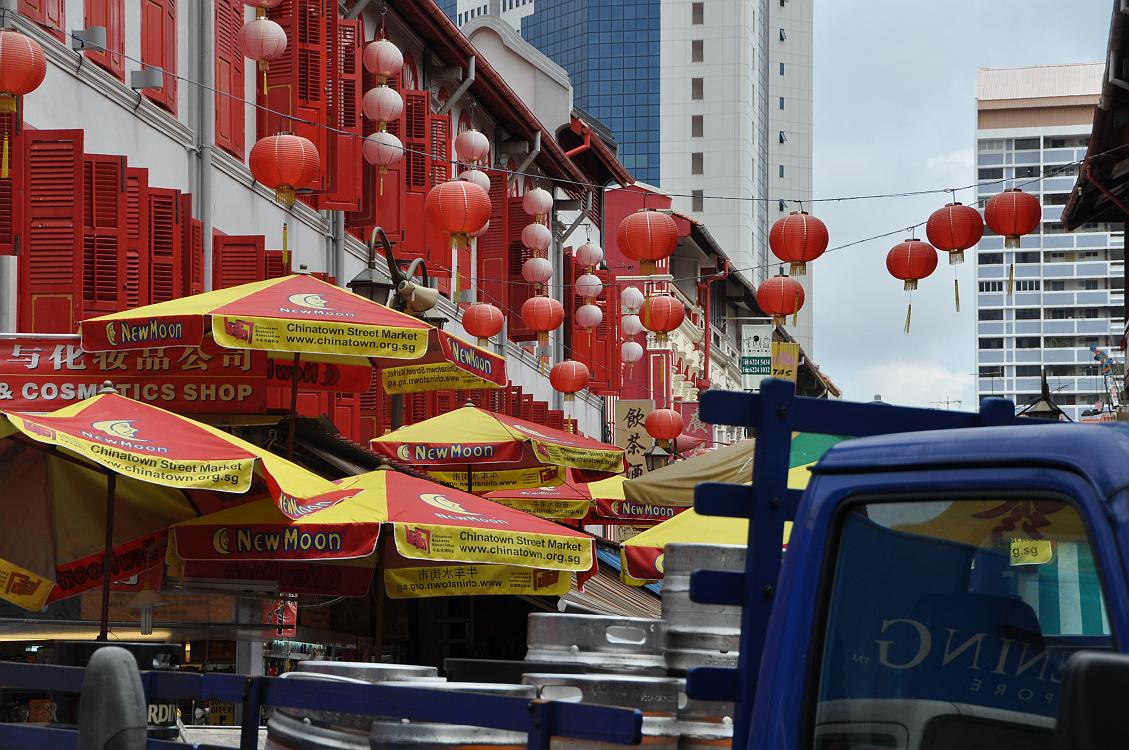
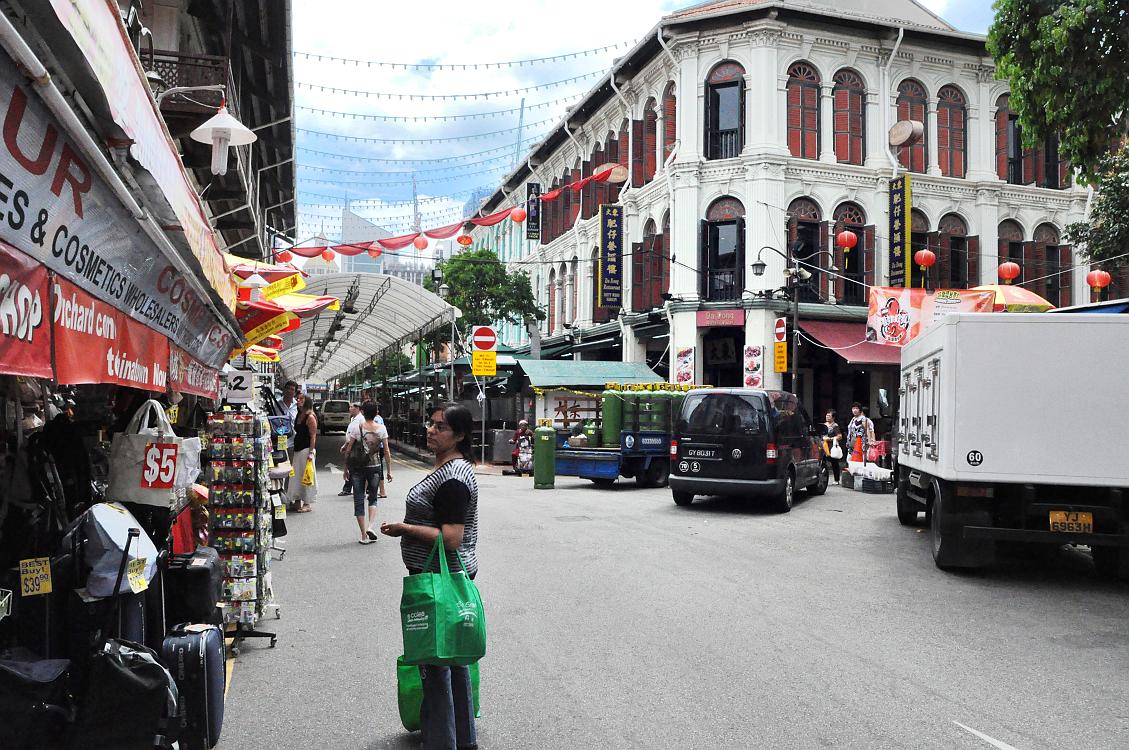
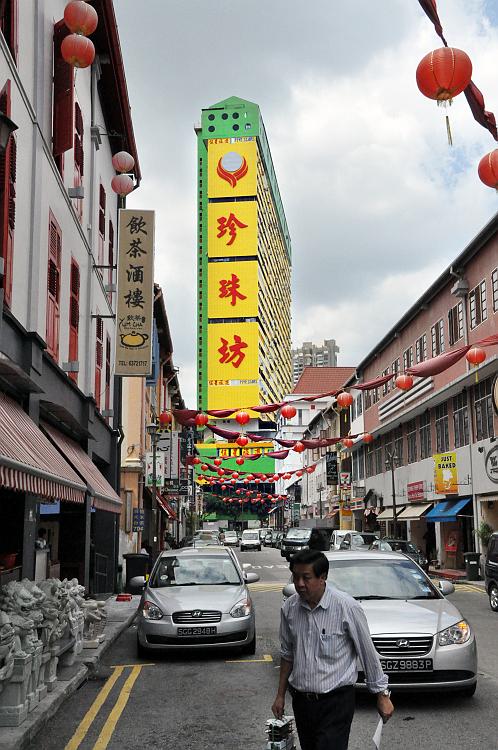
A typically litter free Chinatown and Singapore street.
|
DSC_2355
|
DSC_2358
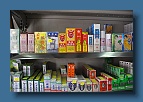
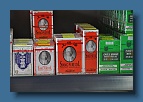
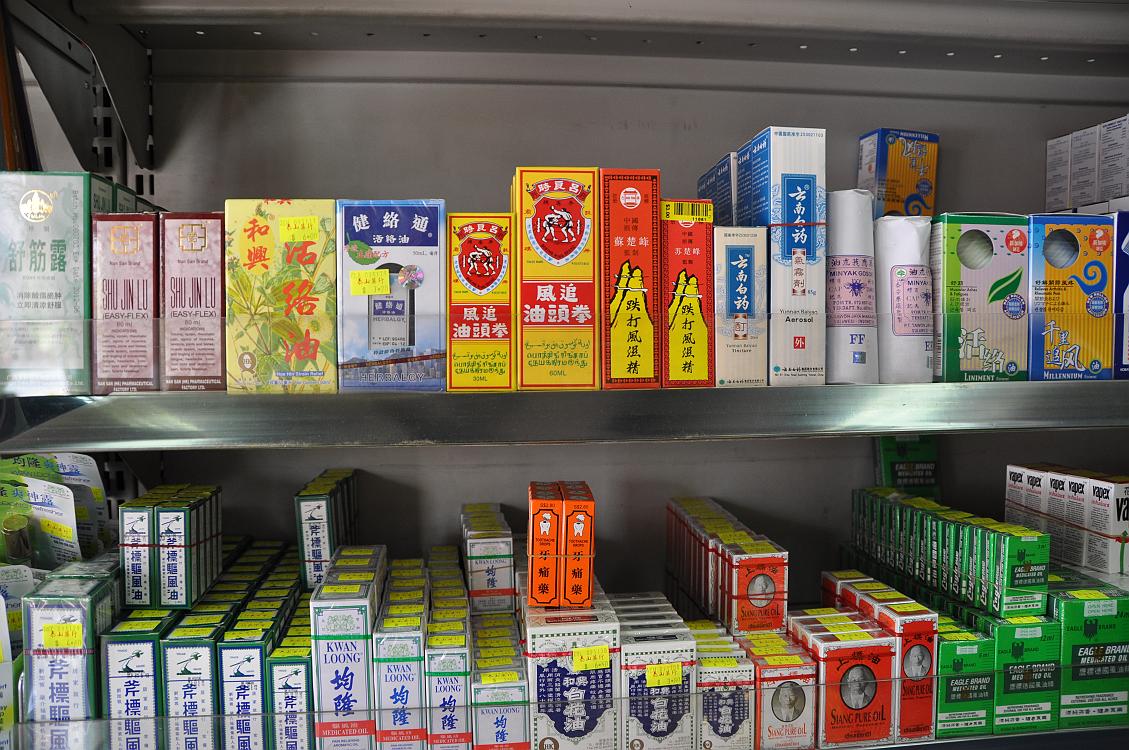
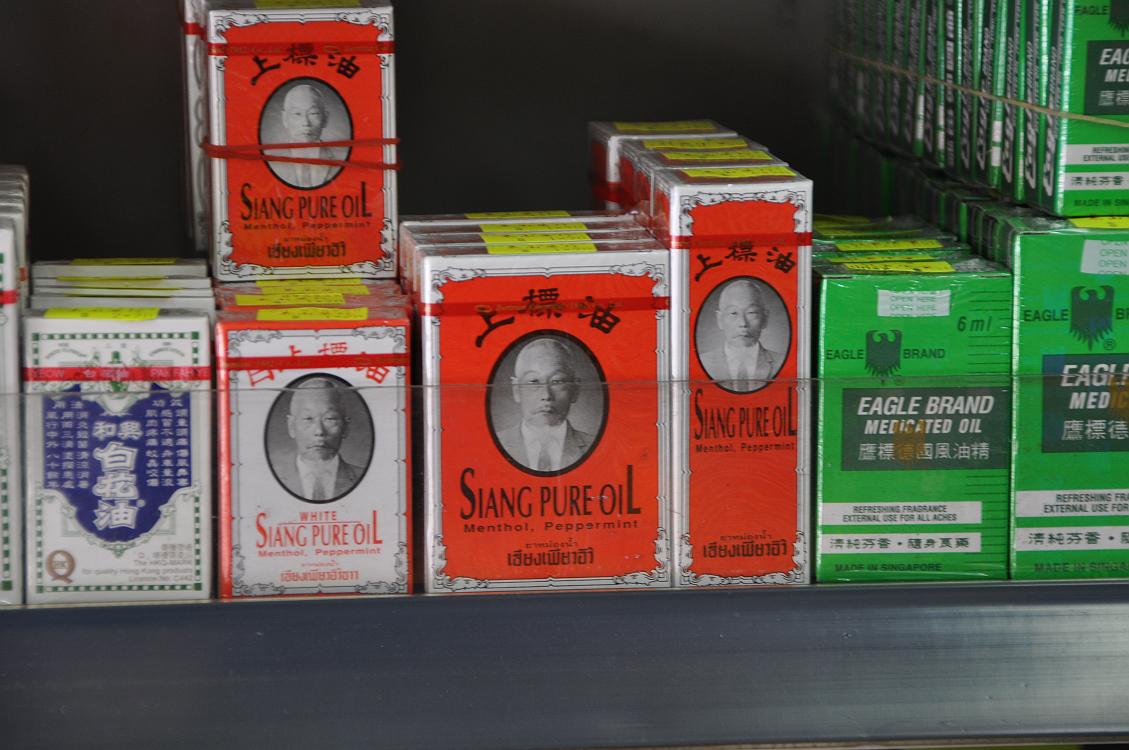
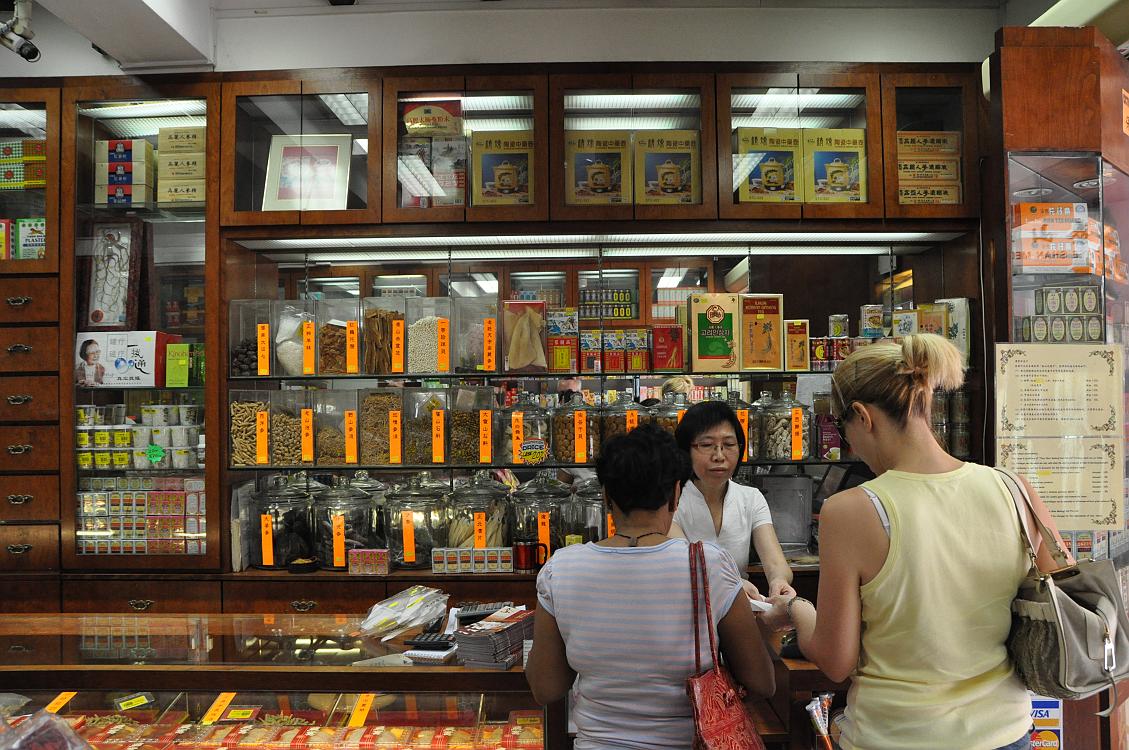
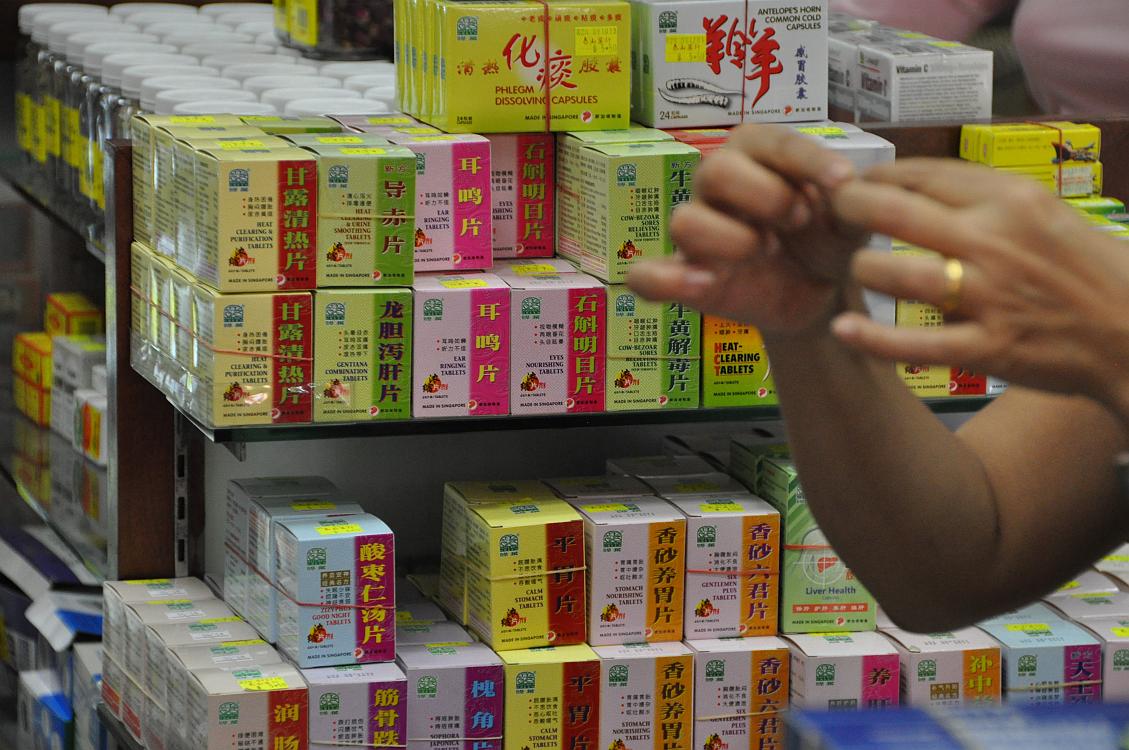
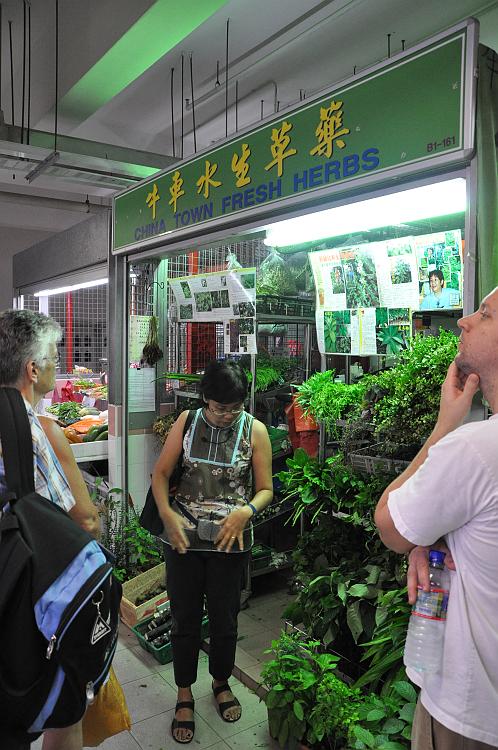
Inside a Chinese medicine shop.
|
DSC_2359
|
DSC_2364
|
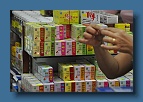
DSC_2365
|
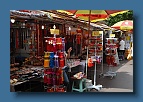
DSC_2369
|
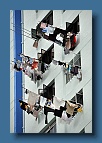
DSC_2371
|
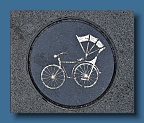
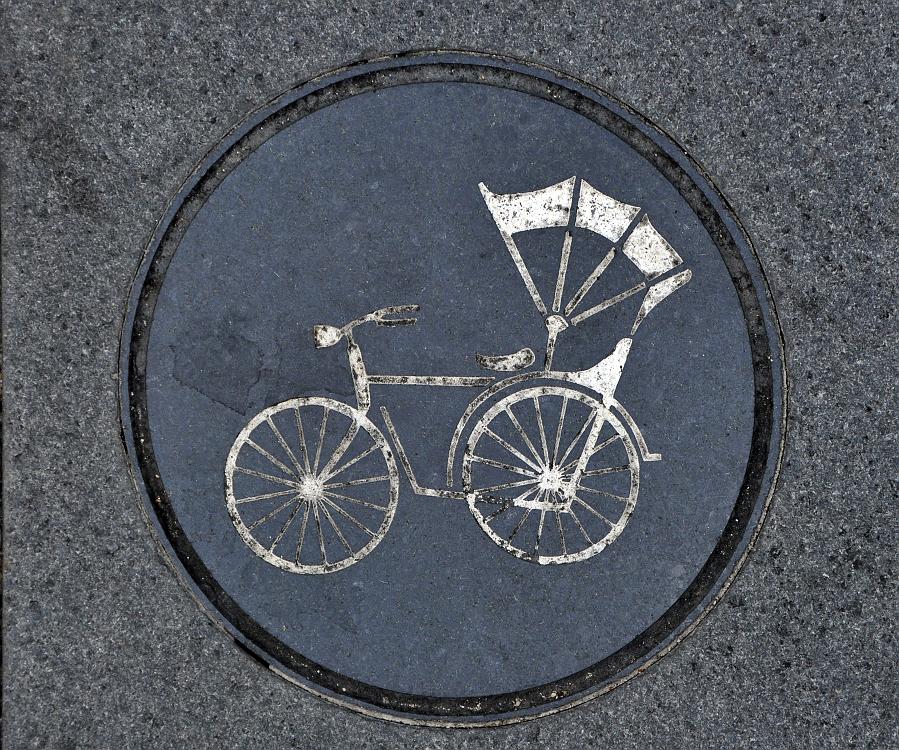
DSC_2375
Sidewalk inlay
|
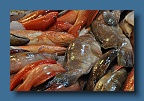
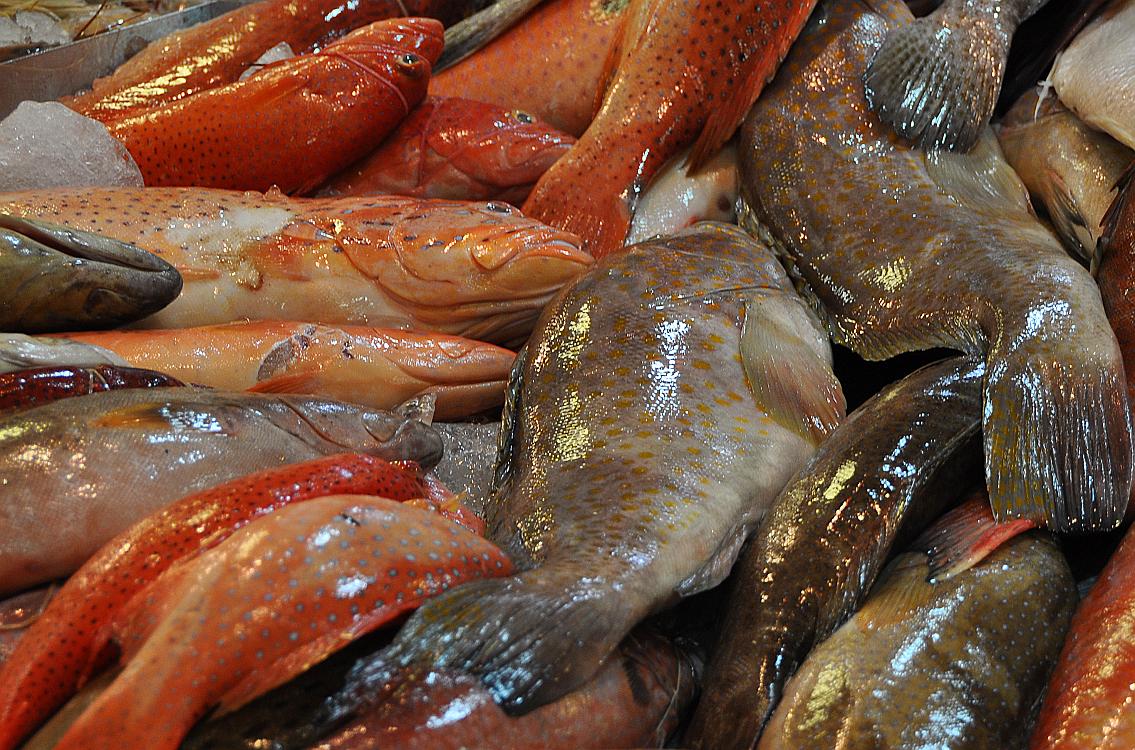
DSC_2376a
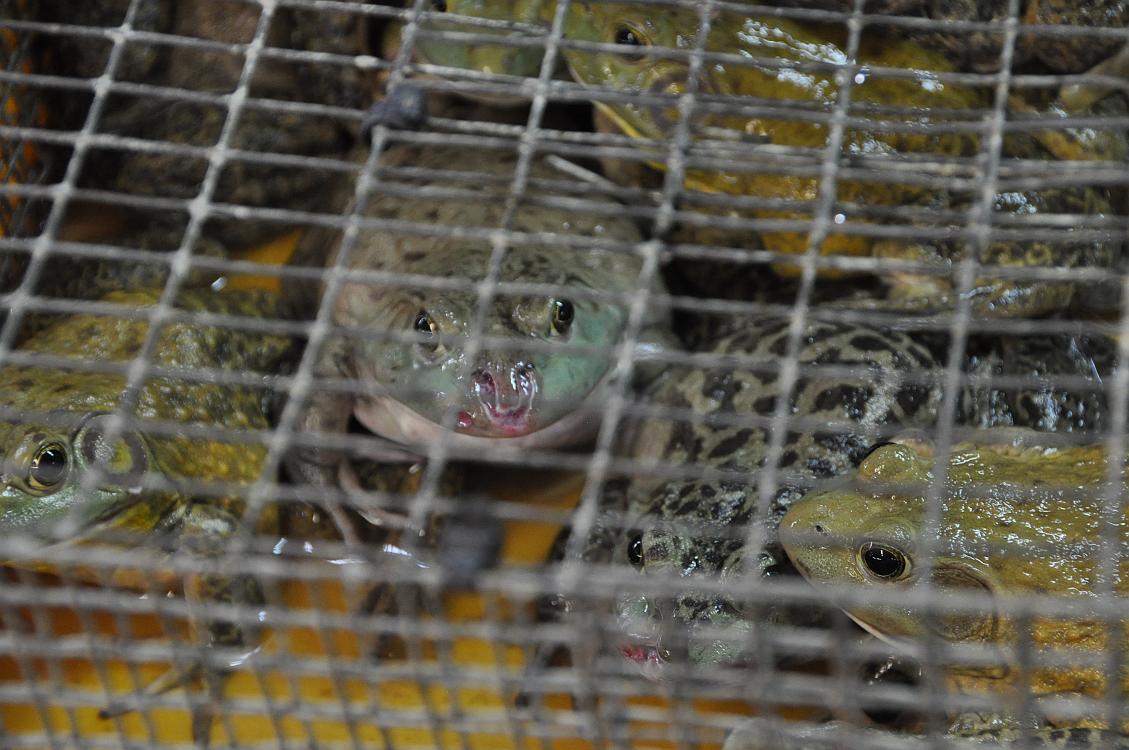
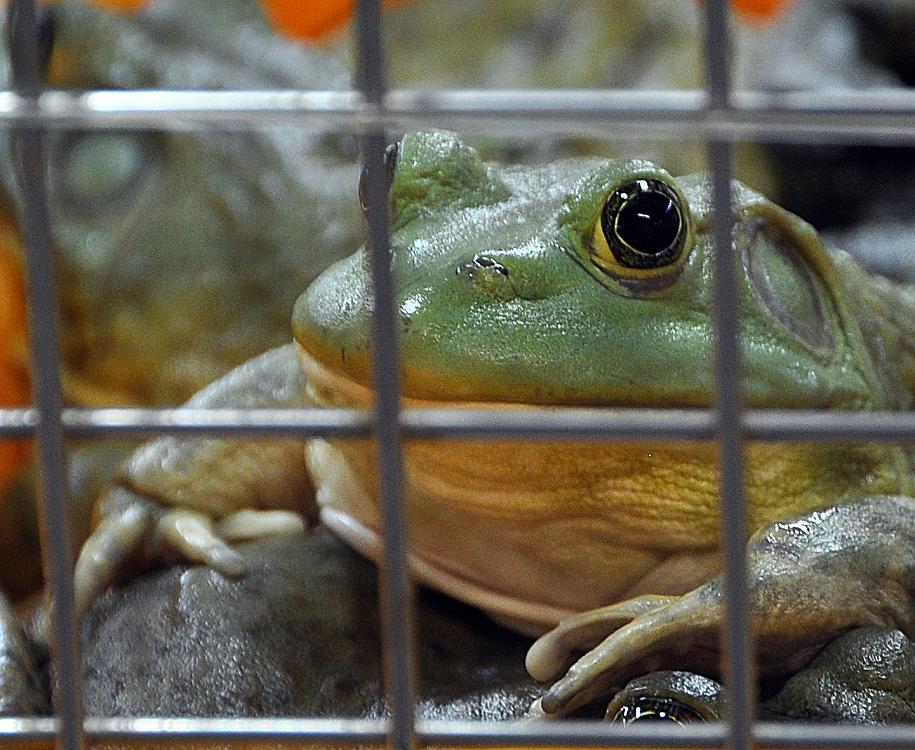
At the wet market.
|
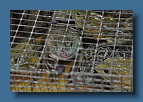
DSC_2377
|
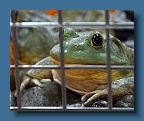
DSC_2378a
|
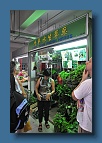
DSC_2380
|
DSC_2381
|
DSC_2382
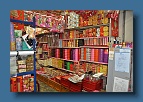
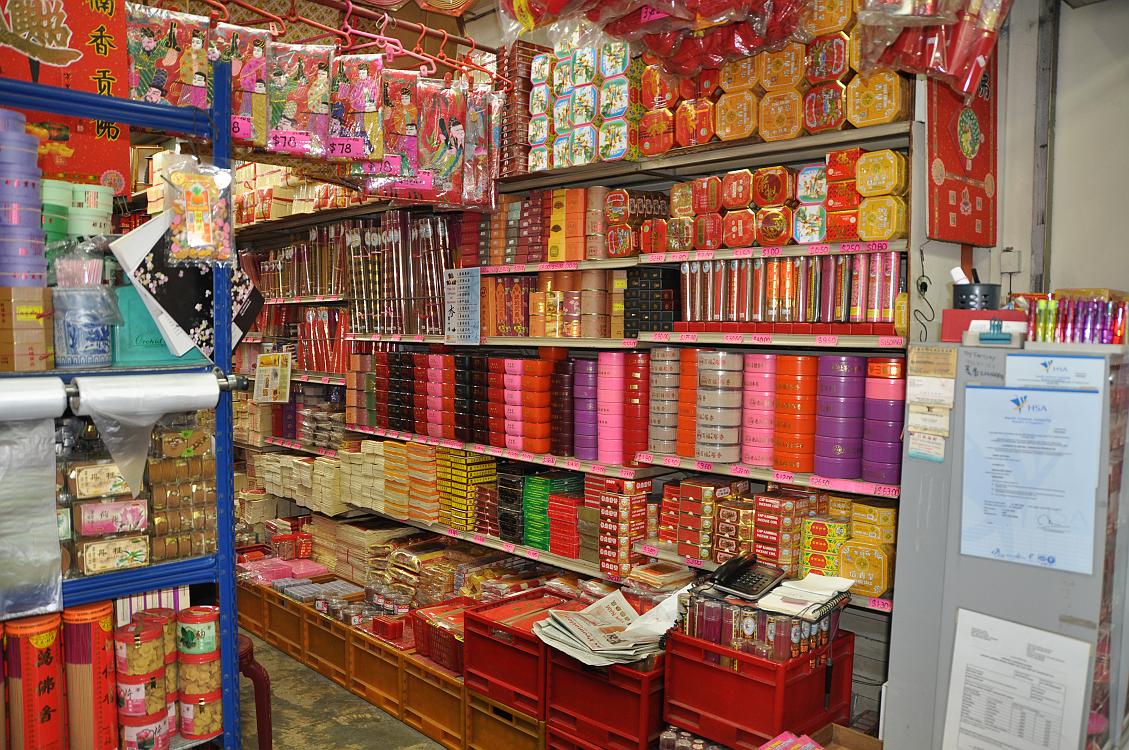
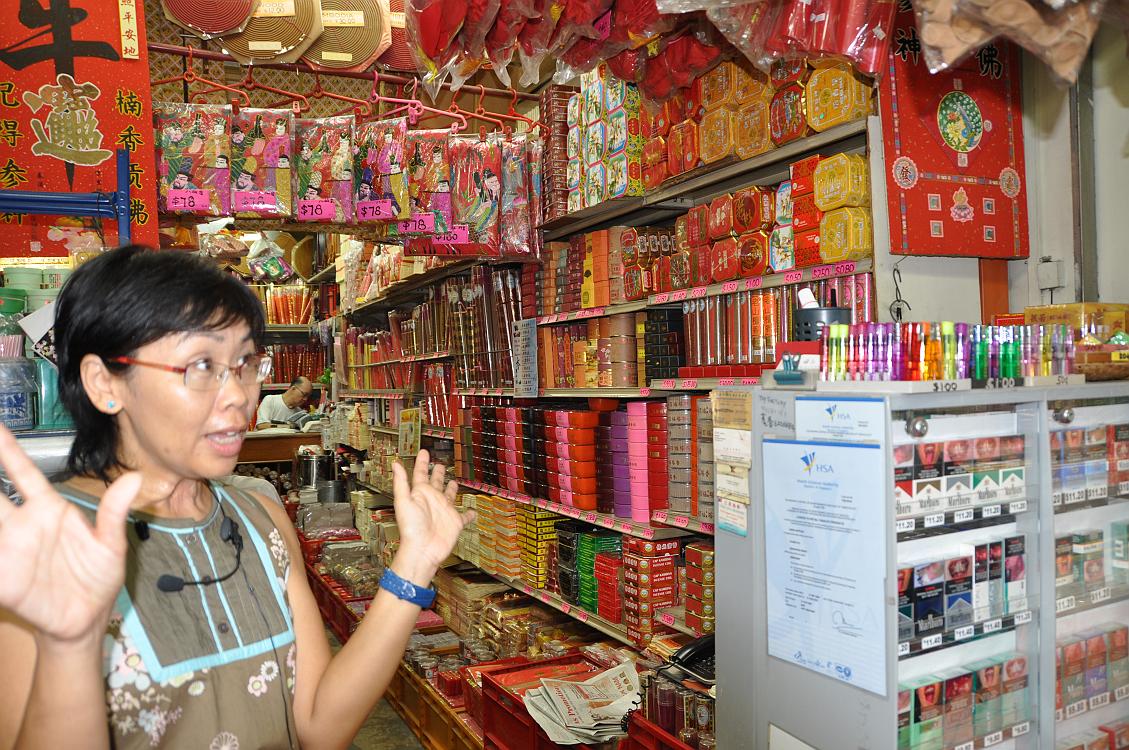
Shop selling items for the afterlife.
|
DSC_2384
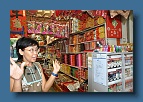
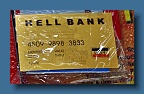
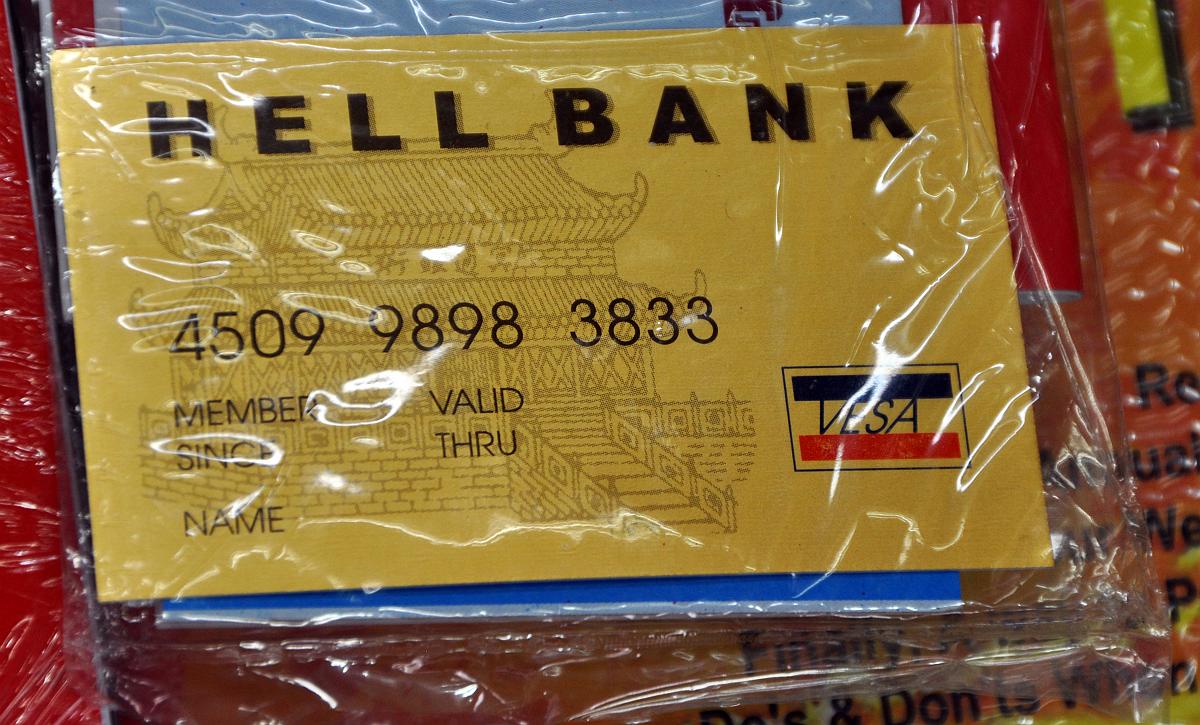
Passport, travel ticket, credit card and other necessities of life traditionally are cremated with the dead in order to provide in the afterlife.
|
DSC_2385
Afterlife credit card.
|
DSC_2389
|
DSC_2390
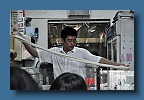
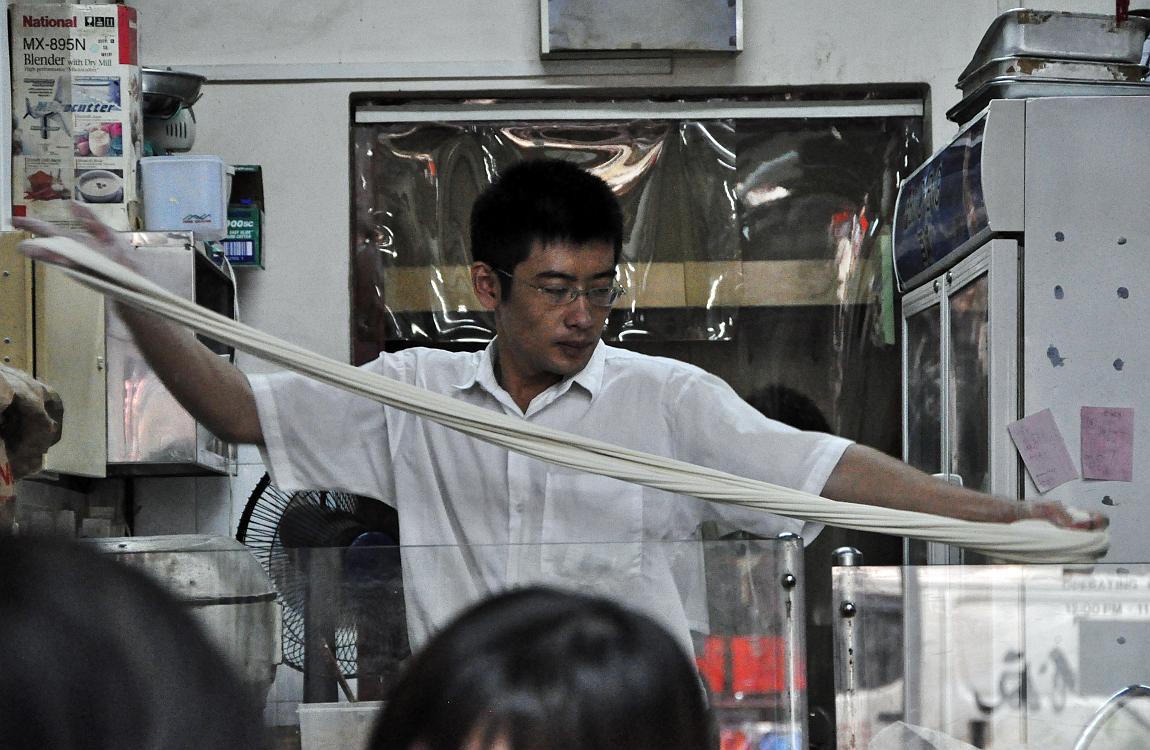
One shop in Chinatown still makes noodles by hand.
|
DSC_2394
|
DSC_2395
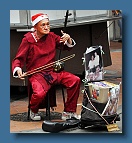
Christmas attired busker in Chinatown. We later saw him in Little India.
|
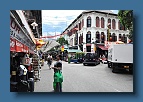
DSC_2396
|

DSC_2399
|
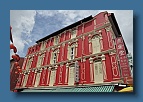
DSC_2400
|
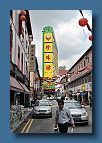
DSC_2401
|

DSC_2406
At the entry to the Chinese Heritage Centre Shophouse Museum
|
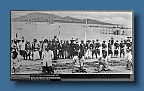
DSC_2410
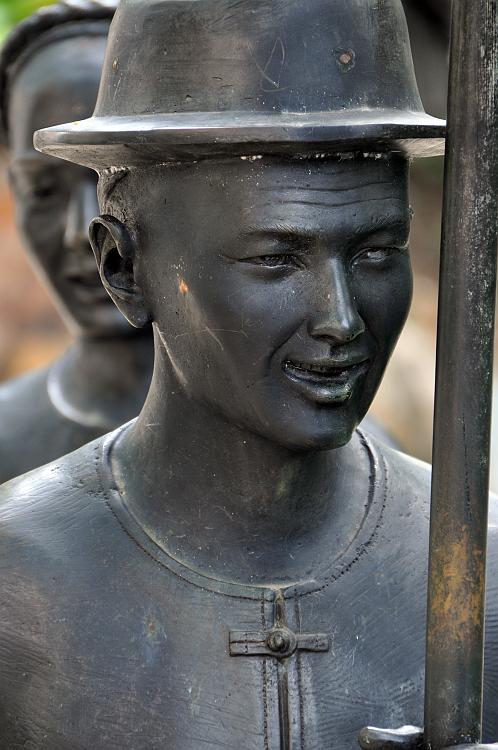
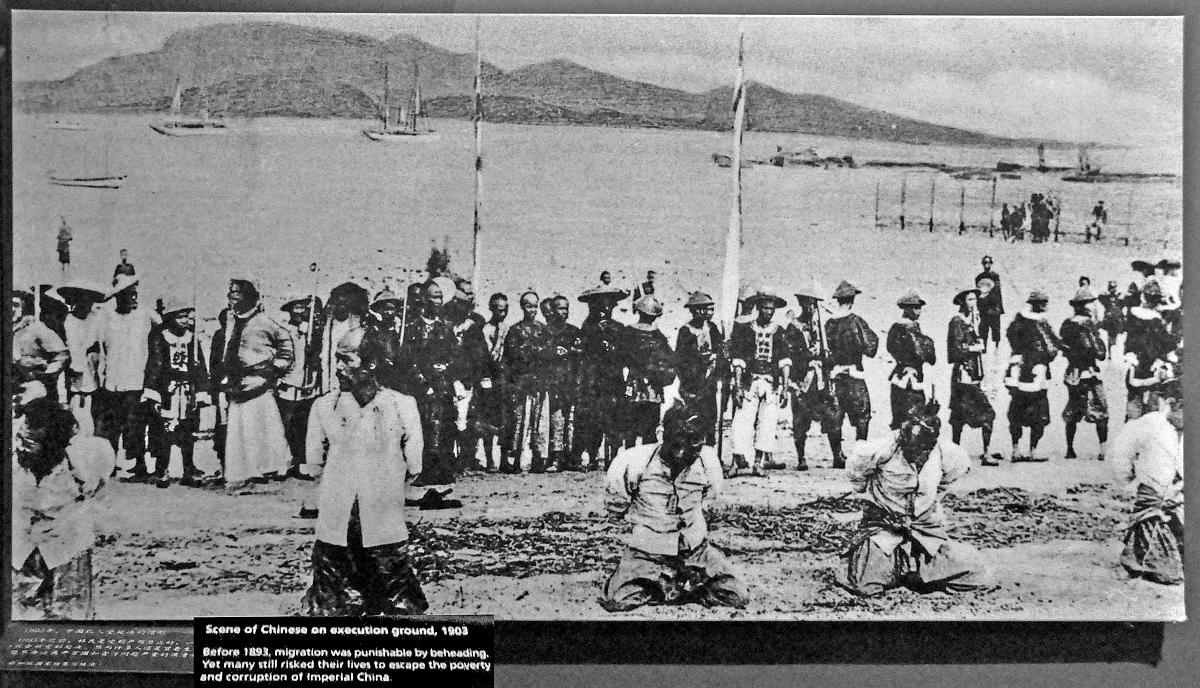
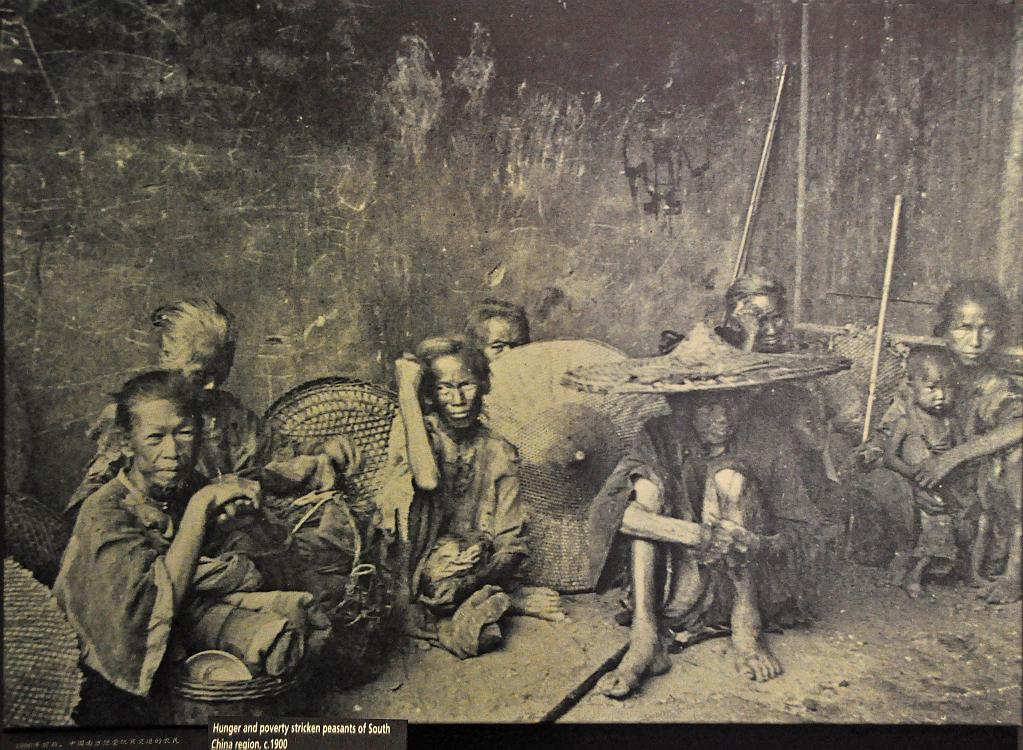
Impoverished Chinese emigrated to find new opportunities even as the penalty for doing so was death by beheading.
|
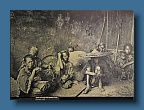
DSC_2412
Peasnts of the sort who came to Singapore - The Lion City
|
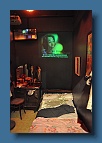
DSC_2415
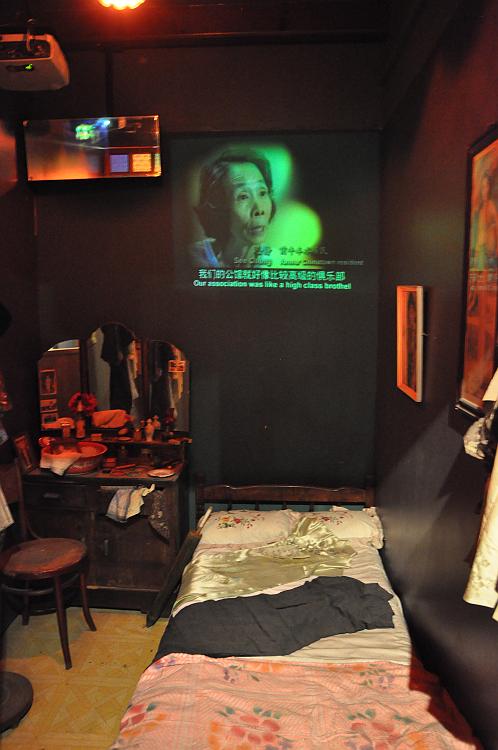
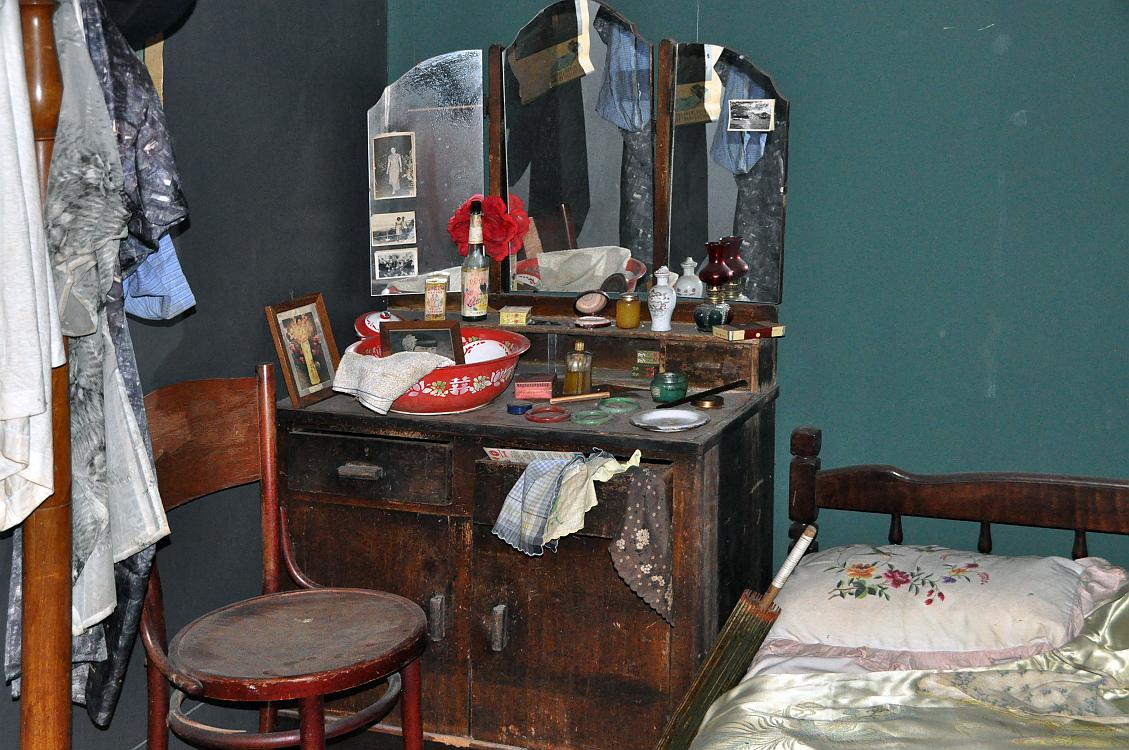
Shophouse were the common form of building for Chinese merchants. They were two or three story, long and narrow structures with the shop and merchant's living quarters on the main level and small rooms on the upper floors that were rented out. This is a prostitute's room.
|
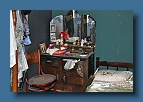
DSC_2418
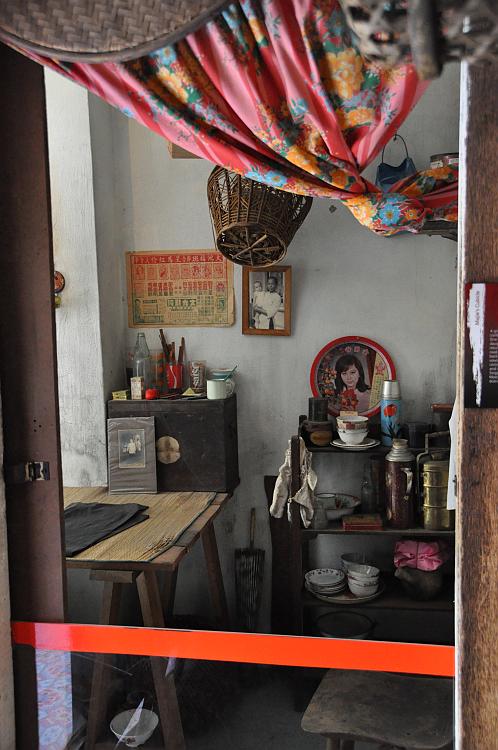
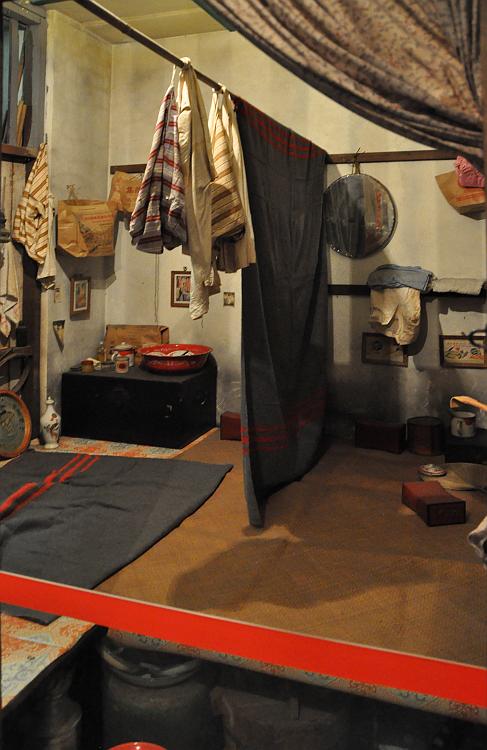
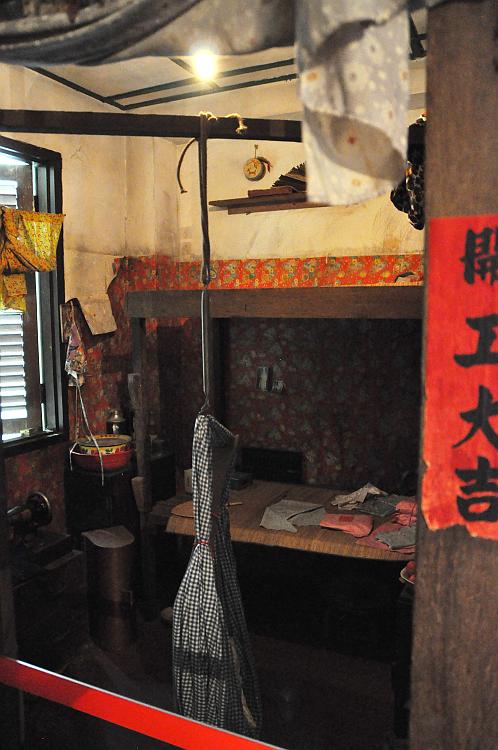
The small dark cubicles of the shophouses held up to 10 people.
|

DSC_2430
|
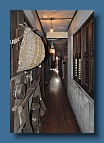
DSC_2433
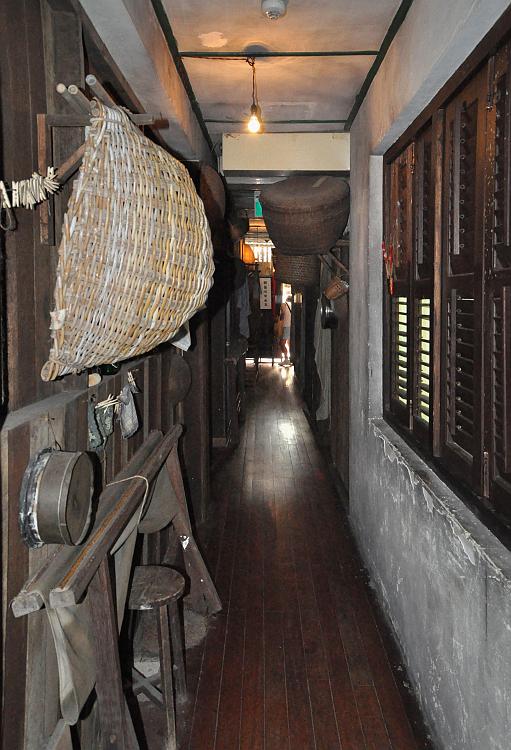
Long hallway with rooms off to the right.
|
shophouse room_1
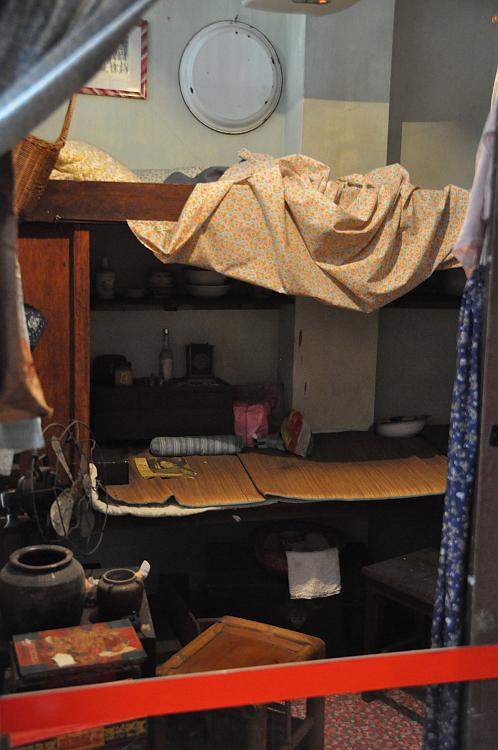
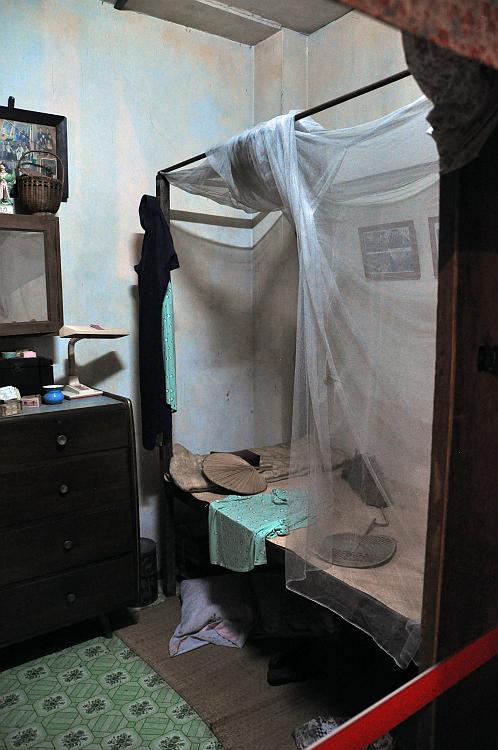
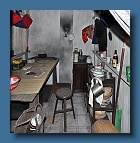
This is it - the total living space for one or a large family.
|
.jpg "A street hawker's room with some of his wares.")
Shophouse room (2)
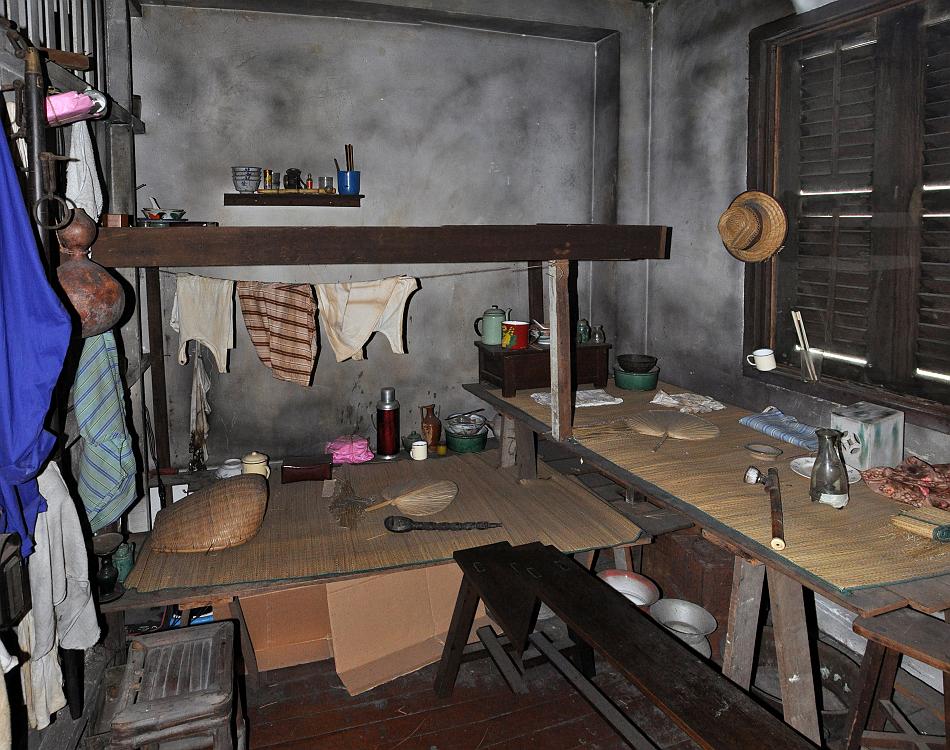
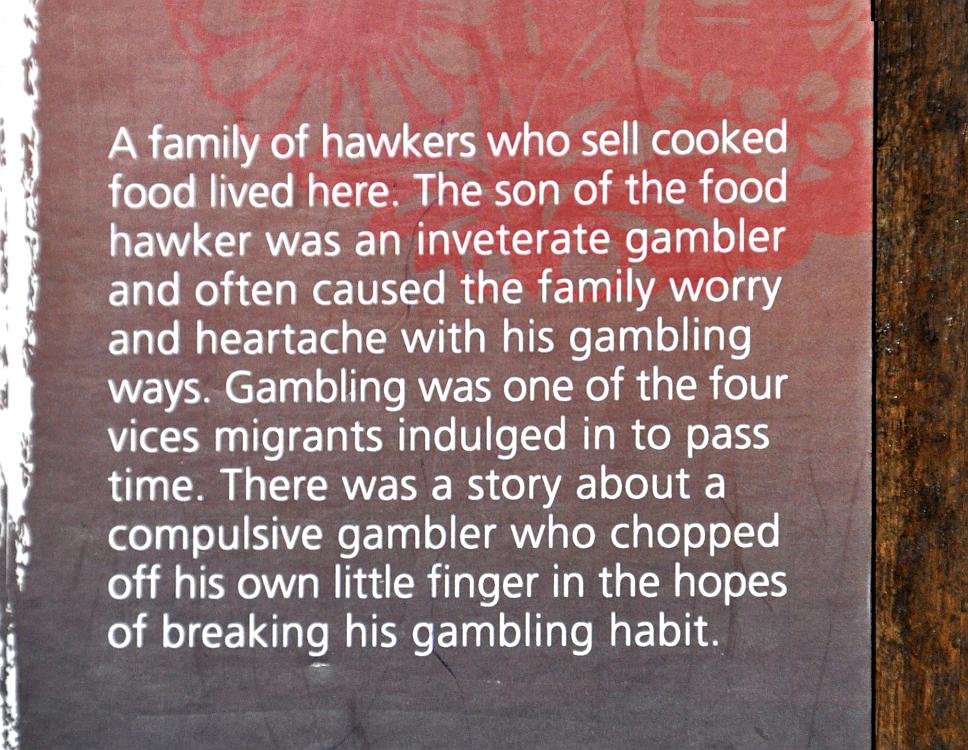
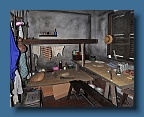
A street hawker's room with some of his wares.
|
shophouse room
A room on the light well. Notice the opium pipe on the table, often used to get through a day of hard labour.
|
DSC_2438
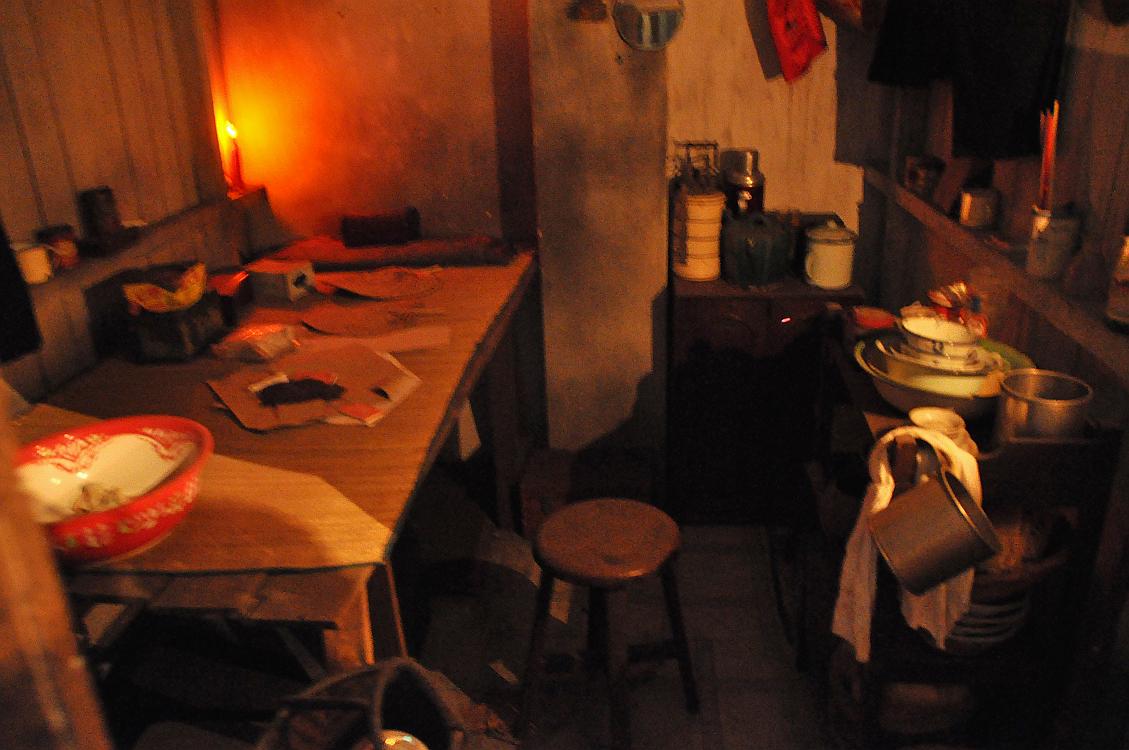
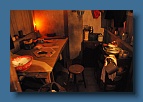
This is more typical of the lighting. Other shots were taken with flash so the rooms appear much brighter than they are.
|
DSC_2442
|
DSC_2444
|
DSC_2446
|
DSC_2447
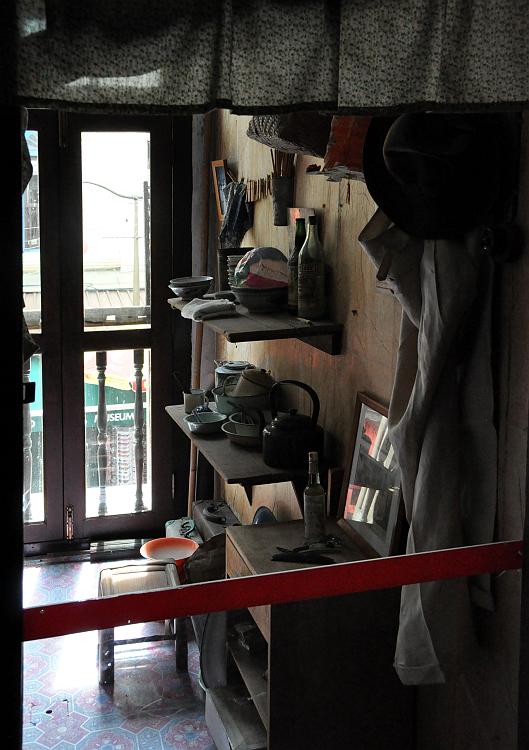
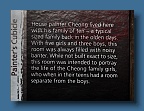
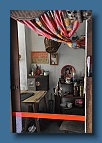
This room was at the front and had light from a window. It was shared by five women who used it on a rotating basis. Women often worked in construction as some of these did.
|
DSC_2448
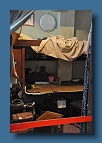
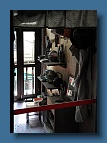
There wee two rooms with windows at the front of the shophouse facing the street.
|
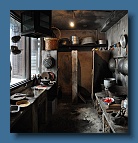
shophouse tenants kitchen
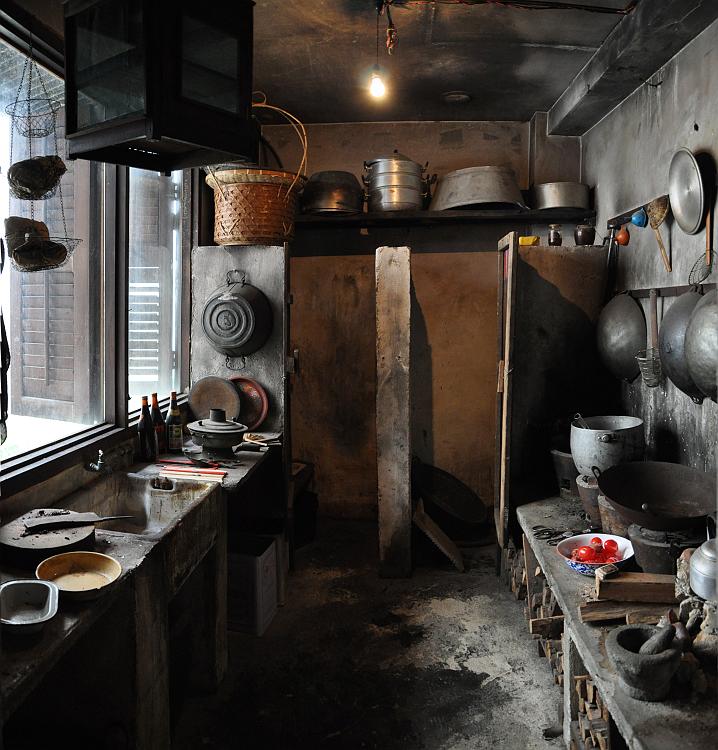
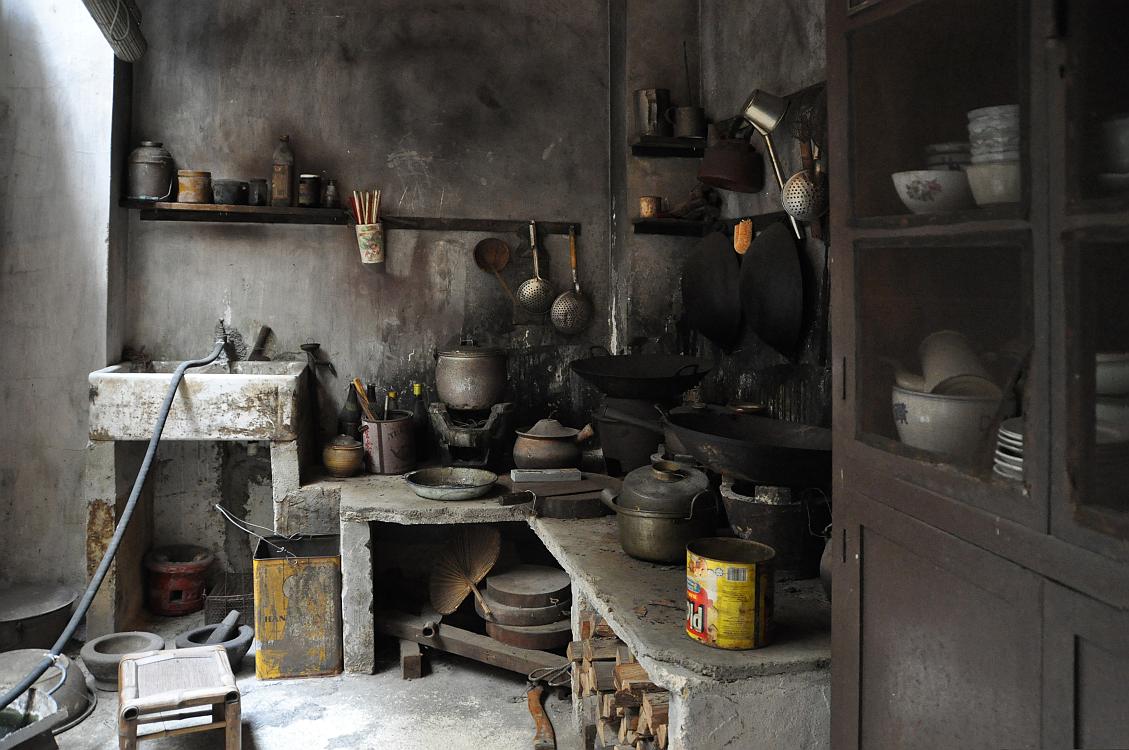
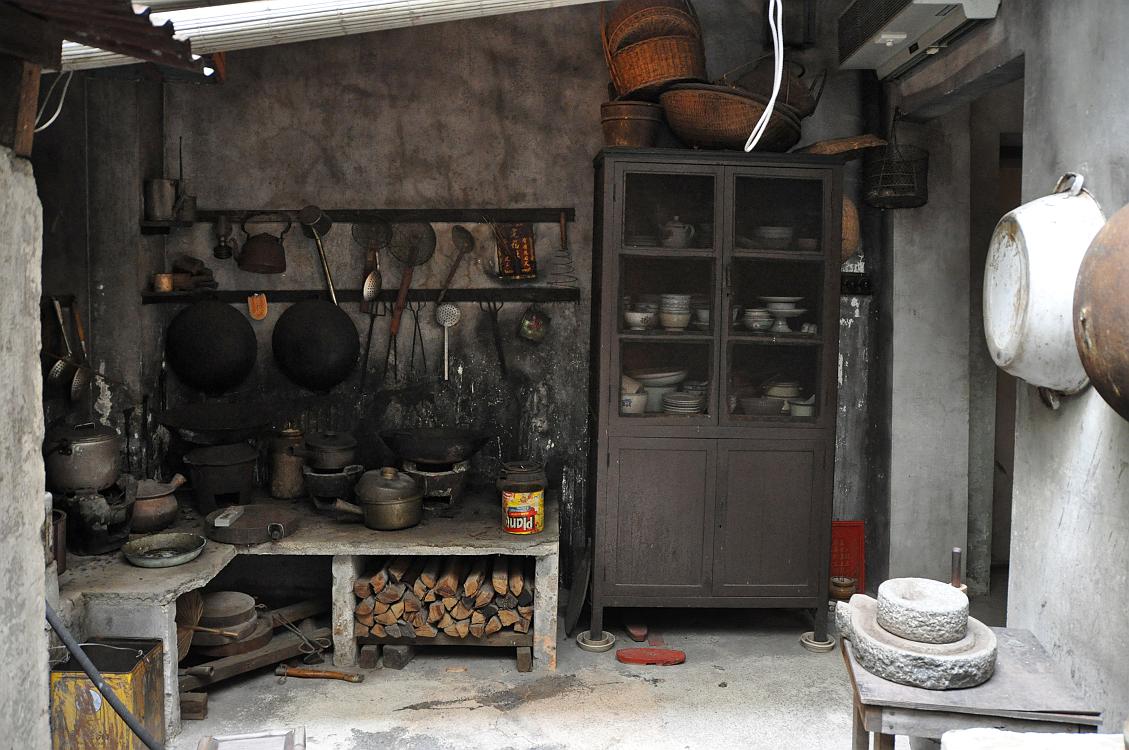
This is the common kitchen for all the tenants. Privies at the back. A bucket was used that was taken to the street.
|
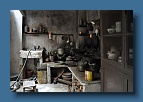
DSC_2451
THis is the lower level kitchen for the exclusive use of the shophouse owner.
|
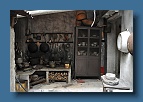
DSC_2452
Another view of the owner's kitchen.
|
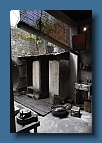
DSC_2453
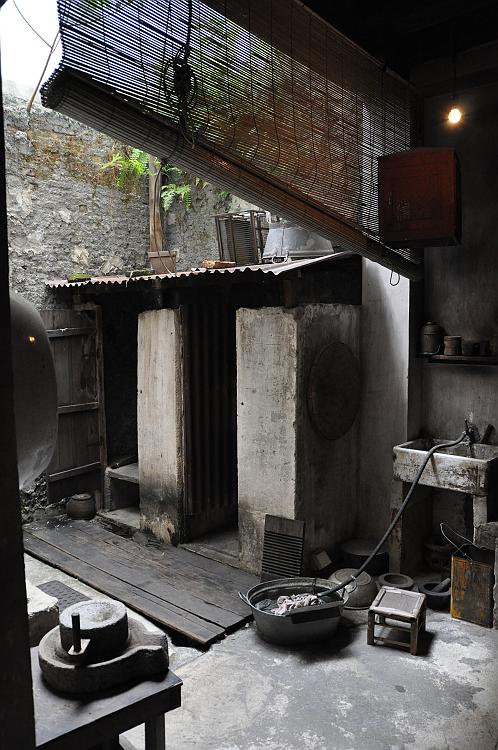
Privies in the open ligh well. These wells were placed near the middle of the building to let in light and air.
|
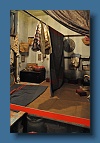
DSC_2454
Shophouse owner's quarters.
|
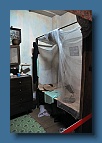
DSC_2455
The shophouse owner's bedroom.
|
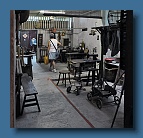
DSC_2456
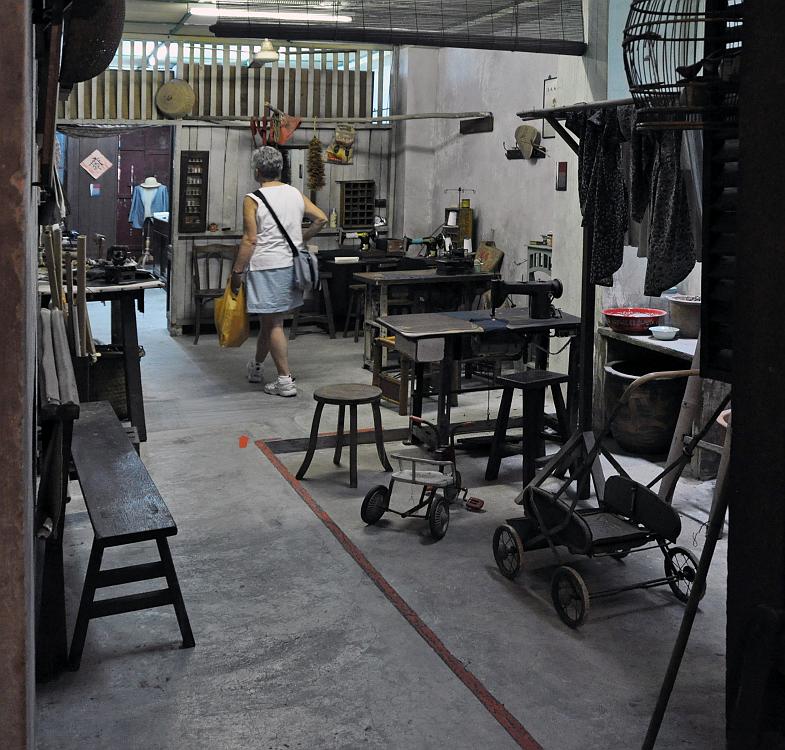
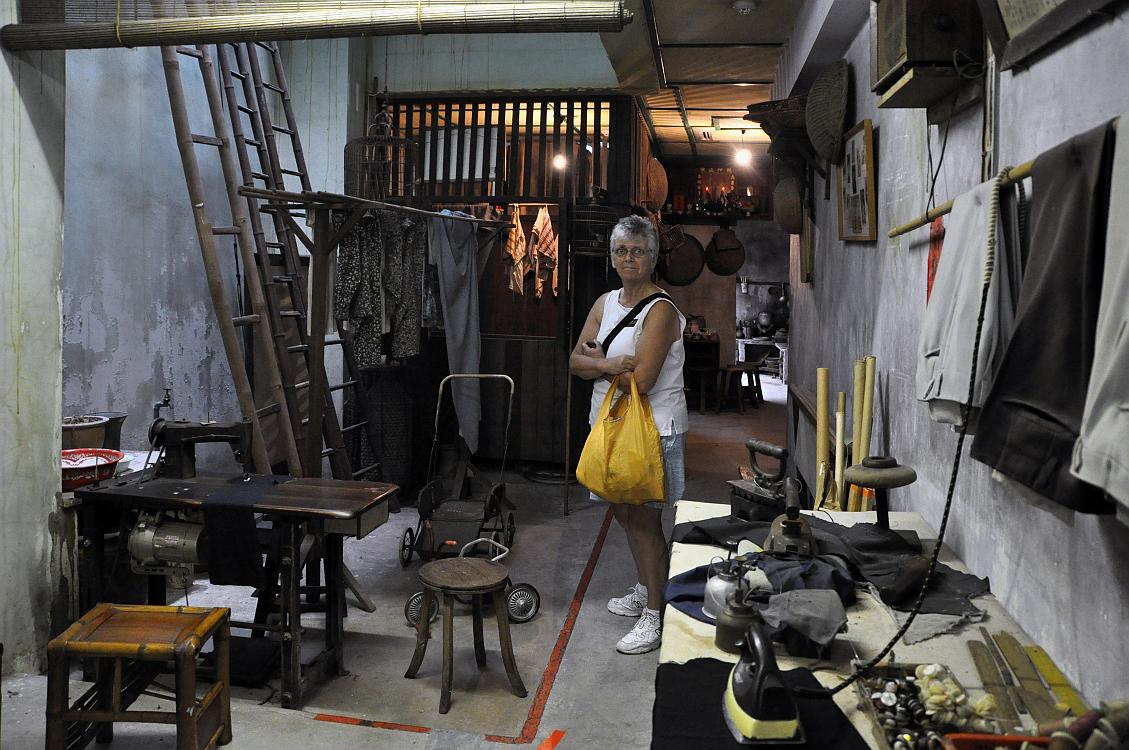
The work area. Children were brouht here for care while the parents worked.
|
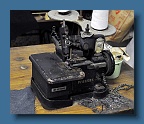
edger-overlocker
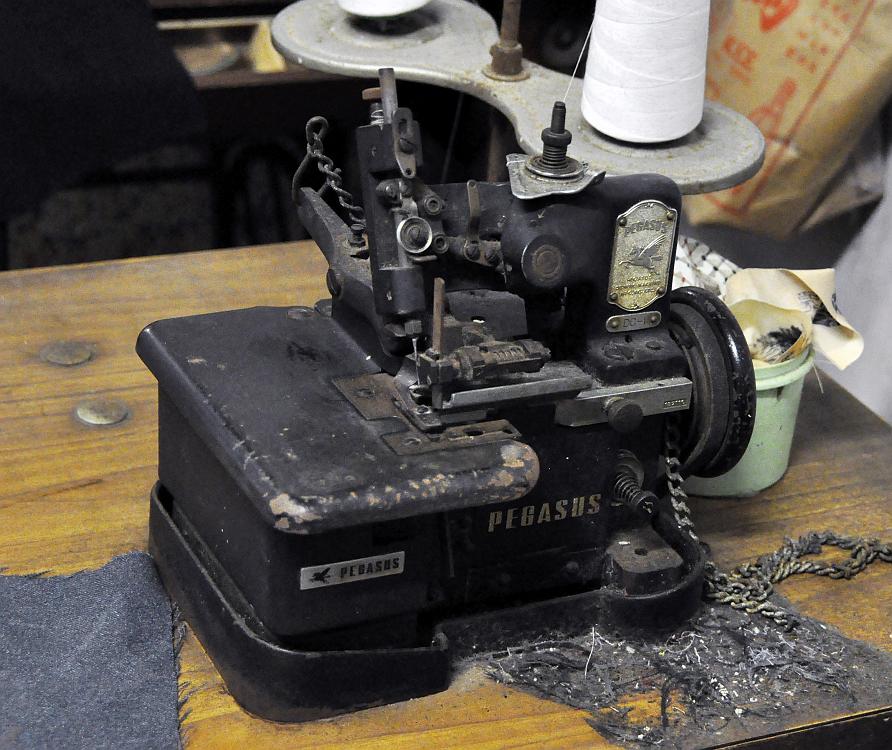
An old machine of the make and type still sold and used today. I believe it stitches along the edge of a garmet and overcasts as well.
|
DSC_2459
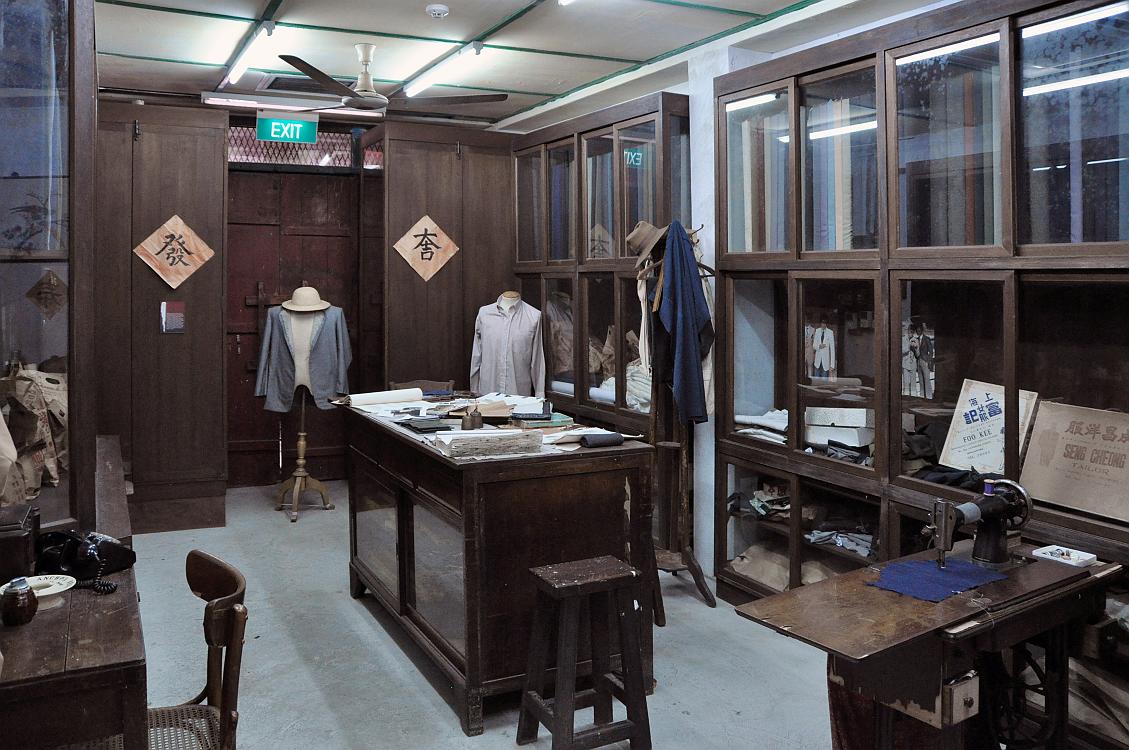
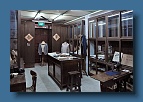
The retail shop at the front of the shophouse.
|
DSC_2462
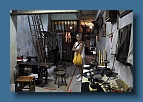
Another view of the work area.
|
DSC_2465
|
DSC_2466
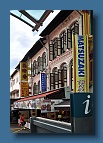
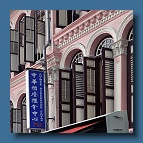
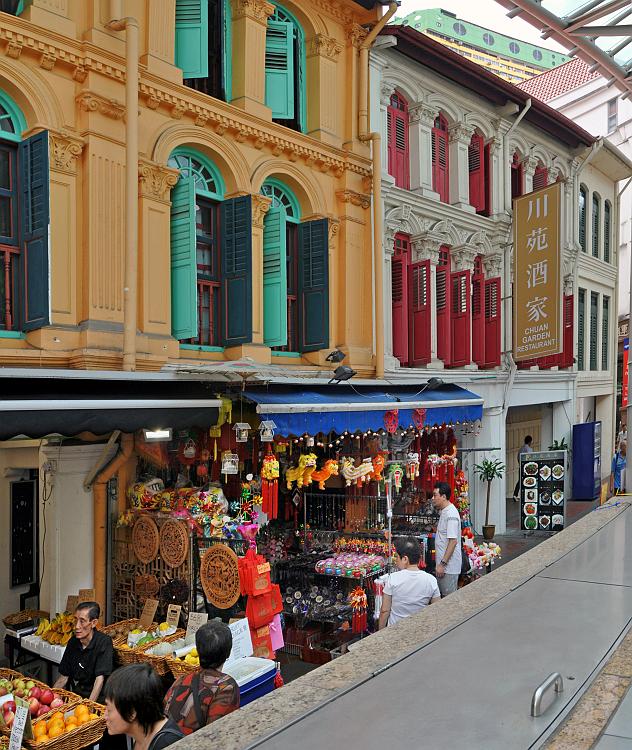
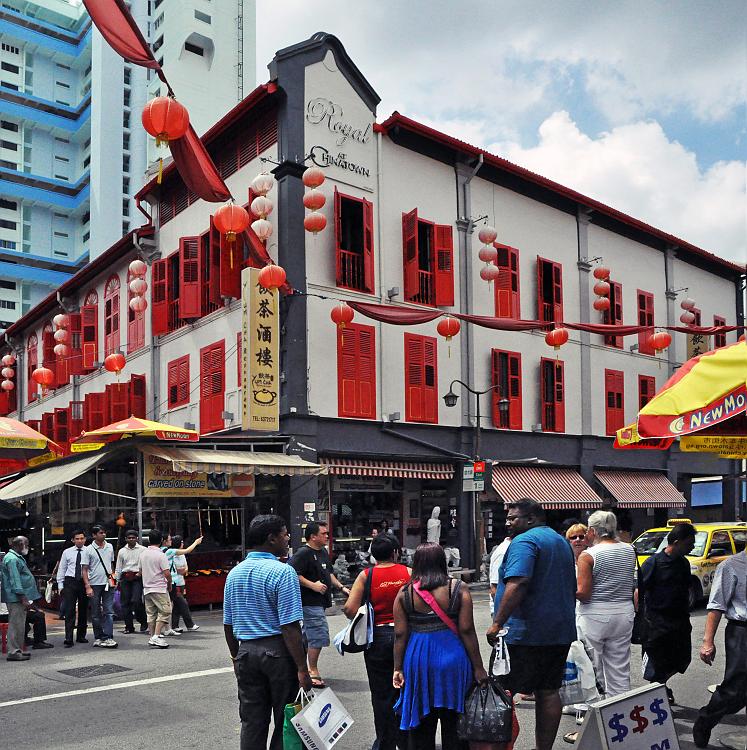
Shophouses
|

DSC_2466a
|
DSC_2466b
|

DSC_2474
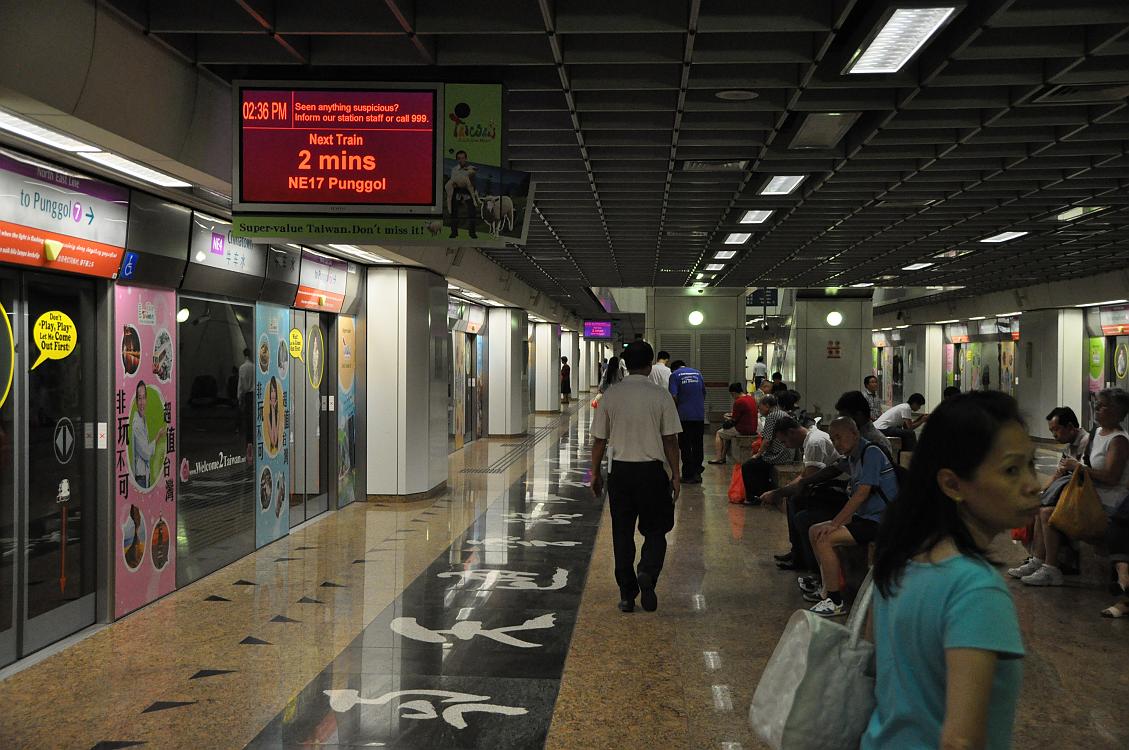
Chinatown MRT (subway) station.
|








.jpg "A street hawker's room with some of his wares.")